Bagoong monamon
Bagoong monamon is a traditional Filipino condiment made from fermented monamon. It is a type of bagoong, a class of fermented foods that are staple condiments in various Southeast Asian cuisines.
Overview[edit]
Bagoong monamon is made by fermenting monamon, a type of small, saltwater fish. The fish are mixed with salt and fermented for several weeks. The resulting product is a pungent, salty paste that is used as a flavoring in many Filipino dishes. It is similar to other types of bagoong, such as bagoong alamang (made from shrimp) and bagoong isda (made from larger fish), but has a distinct flavor due to the use of monamon.
Uses[edit]
Bagoong monamon is used in a variety of Filipino dishes. It is often used as a flavoring in sinigang, a sour soup, and pinakbet, a mixed vegetable dish. It can also be used as a dipping sauce for green mangoes or used to flavor rice. In addition, it is a key ingredient in paksiw na isda, a fish dish cooked in vinegar.
Production[edit]
The production of bagoong monamon is a traditional practice in many coastal regions of the Philippines. The process involves salting the monamon and allowing them to ferment in large earthen jars. The fermentation process can take several weeks to months, during which the fish break down into a paste. The paste is then strained and packaged for sale.
Health Benefits and Risks[edit]
Bagoong monamon is high in protein and provides a source of umami flavor. However, due to its high salt content, it should be consumed in moderation. Overconsumption of bagoong monamon can lead to health issues such as high blood pressure and kidney problems.
See Also[edit]


-
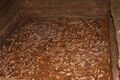 Bagoong_monamon


Medical Disclaimer: WikiMD is for informational purposes only and is not a substitute for professional medical advice. Content may be inaccurate or outdated and should not be used for diagnosis or treatment. Always consult your healthcare provider for medical decisions. Verify information with trusted sources such as CDC.gov and NIH.gov. By using this site, you agree that WikiMD is not liable for any outcomes related to its content. See full disclaimer.
Credits:Most images are courtesy of Wikimedia commons, and templates, categories Wikipedia, licensed under CC BY SA or similar.
Translate page: - East Asian
中文,
日本,
한국어,
South Asian
हिन्दी,
தமிழ்,
తెలుగు,
Urdu,
ಕನ್ನಡ,
Southeast Asian
Indonesian,
Vietnamese,
Thai,
မြန်မာဘာသာ,
বাংলা
European
español,
Deutsch,
français,
Greek,
português do Brasil,
polski,
română,
русский,
Nederlands,
norsk,
svenska,
suomi,
Italian
Middle Eastern & African
عربى,
Turkish,
Persian,
Hebrew,
Afrikaans,
isiZulu,
Kiswahili,
Other
Bulgarian,
Hungarian,
Czech,
Swedish,
മലയാളം,
मराठी,
ਪੰਜਾਬੀ,
ગુજરાતી,
Portuguese,
Ukrainian

