Baekseolgi
Baekseolgi is a traditional Korean paper folding art form that originated during the Joseon Dynasty. It involves folding and manipulating paper to create various shapes and designs. Baekseolgi is often used to create decorative items, such as fans, flowers, and animals.
History[edit]
The exact origins of Baekseolgi are unclear, but it is believed to have been practiced in Korea for centuries. The art form gained popularity during the Joseon Dynasty (1392-1897), when it was often used in royal ceremonies and celebrations.
Techniques[edit]
Baekseolgi involves folding paper in specific ways to create different shapes and designs. The most common technique used in Baekseolgi is called "jiseung," which means "folding and stringing." This technique involves folding the paper into a series of triangles and then stringing them together to create a three-dimensional object.
Other techniques used in Baekseolgi include "jeongseolgi," which involves folding the paper into a fan shape, and "jungseolgi," which involves folding the paper into a flower shape. These techniques require precision and skill to create intricate and detailed designs.
Significance[edit]
Baekseolgi holds cultural and historical significance in Korean society. It is considered a traditional art form that reflects the creativity and craftsmanship of the Korean people. Baekseolgi is often used in traditional ceremonies, such as weddings and funerals, as well as in everyday life for decorative purposes.
Modern Applications[edit]
While Baekseolgi is rooted in tradition, it has also found its way into modern applications. Today, Baekseolgi is often used in art and craft projects, as well as in educational settings to teach children about Korean culture and history. It has also gained recognition internationally, with exhibitions and workshops being held around the world.
See Also[edit]
References[edit]
-
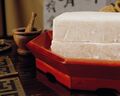 Baekseolgi


Medical Disclaimer: WikiMD is for informational purposes only and is not a substitute for professional medical advice. Content may be inaccurate or outdated and should not be used for diagnosis or treatment. Always consult your healthcare provider for medical decisions. Verify information with trusted sources such as CDC.gov and NIH.gov. By using this site, you agree that WikiMD is not liable for any outcomes related to its content. See full disclaimer.
Credits:Most images are courtesy of Wikimedia commons, and templates, categories Wikipedia, licensed under CC BY SA or similar.
Translate page: - East Asian
中文,
日本,
한국어,
South Asian
हिन्दी,
தமிழ்,
తెలుగు,
Urdu,
ಕನ್ನಡ,
Southeast Asian
Indonesian,
Vietnamese,
Thai,
မြန်မာဘာသာ,
বাংলা
European
español,
Deutsch,
français,
Greek,
português do Brasil,
polski,
română,
русский,
Nederlands,
norsk,
svenska,
suomi,
Italian
Middle Eastern & African
عربى,
Turkish,
Persian,
Hebrew,
Afrikaans,
isiZulu,
Kiswahili,
Other
Bulgarian,
Hungarian,
Czech,
Swedish,
മലയാളം,
मराठी,
ਪੰਜਾਬੀ,
ગુજરાતી,
Portuguese,
Ukrainian

