Antarctic krill
Antarctic krill (Euphausia superba) is a species of krill found in the Antarctic waters of the Southern Ocean. It is a small, swimming crustacean that lives in large schools, called swarms, sometimes reaching densities of 10,000–30,000 individual animals per cubic meter.
Biology[edit]
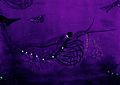
Antarctic krill are shrimp-like in appearance with a length of 6 cm (2.4 in) on average, although larger specimens can reach 15 cm (5.9 in). They are a key species in the Antarctic ecosystem and are, in terms of biomass, probably the most successful animal species on the planet.
Diet[edit]
The diet of the Antarctic krill includes phytoplankton and zooplankton. They are known to be a primary food source for various animals in the Antarctic ecosystem, including whales, seals, penguins, and fish.
Life Cycle[edit]
The life cycle of Antarctic krill is complex and includes both free-swimming and bottom-dwelling stages. The krill spawn in the surface waters during the Antarctic summer, and the eggs sink to the deep sea where they hatch and develop before rising again to the surface.
Threats[edit]
The main threats to Antarctic krill are climate change, ocean acidification, and commercial krill fisheries. Changes in sea ice patterns can affect the abundance and distribution of krill, and overfishing can deplete their populations.
Conservation[edit]
Efforts to conserve Antarctic krill populations include the regulation of krill fisheries by the Convention for the Conservation of Antarctic Marine Living Resources (CCAMLR). There is also ongoing research into the impacts of climate change on krill populations.
See Also[edit]
.png) | This crustacean-related article is a stub. You can help WikiMD by expanding the page. |
.svg) | This Antarctica-related article is a stub. You can help WikiMD by expanding the page. |

-
 Antarctic_krill
 -
 Antarctic_krill
 -
 Antarctic_krill
 -
 Antarctic_krill
 -
 Antarctic_krill
 -
 Antarctic_krill
 -
 Antarctic_krill
 -
 Antarctic_krill
 -
 Antarctic_krill
 -
 Antarctic_krill
 -
 Antarctic_krill


Medical Disclaimer: WikiMD is for informational purposes only and is not a substitute for professional medical advice. Content may be inaccurate or outdated and should not be used for diagnosis or treatment. Always consult your healthcare provider for medical decisions. Verify information with trusted sources such as CDC.gov and NIH.gov. By using this site, you agree that WikiMD is not liable for any outcomes related to its content. See full disclaimer.
Credits:Most images are courtesy of Wikimedia commons, and templates, categories Wikipedia, licensed under CC BY SA or similar.
Translate page: - East Asian
中文,
日本,
한국어,
South Asian
हिन्दी,
தமிழ்,
తెలుగు,
Urdu,
ಕನ್ನಡ,
Southeast Asian
Indonesian,
Vietnamese,
Thai,
မြန်မာဘာသာ,
বাংলা
European
español,
Deutsch,
français,
Greek,
português do Brasil,
polski,
română,
русский,
Nederlands,
norsk,
svenska,
suomi,
Italian
Middle Eastern & African
عربى,
Turkish,
Persian,
Hebrew,
Afrikaans,
isiZulu,
Kiswahili,
Other
Bulgarian,
Hungarian,
Czech,
Swedish,
മലയാളം,
मराठी,
ਪੰਜਾਬੀ,
ગુજરાતી,
Portuguese,
Ukrainian

