Agnolotti
Agnolotti is a type of pasta originating from the Piedmont region of Italy. It is a form of stuffed pasta, similar to ravioli, but typically smaller and with a distinctive shape. Agnolotti are traditionally filled with roasted meat or vegetables and are often served with a simple sauce or in broth.
Etymology[edit]
The name "agnolotti" is believed to derive from "agnello," the Italian word for lamb, which was a common filling in the past. However, the exact origin of the name is not definitively known.
Preparation[edit]
Agnolotti are made by rolling out a thin sheet of pasta dough, which is then folded over the filling. The edges are sealed, and the pasta is cut into small, square or rectangular shapes. The traditional filling includes roasted meat, such as beef, pork, or rabbit, mixed with spinach, parmesan cheese, and egg.
Variations[edit]
There are several variations of agnolotti, including:
- Agnolotti al plin: A smaller version of agnolotti, "plin" means "pinch" in the local dialect, referring to the way the pasta is pinched to seal it.
- Agnolotti piemontesi: A version specific to the Piedmont region, often filled with a mixture of meats and served with a simple butter and sage sauce.
Serving[edit]
Agnolotti can be served in a variety of ways. They are often served in a light broth or with a simple sauce, such as butter and sage or a meat-based sauce. In Piedmont, they are traditionally served "al sugo d'arrosto," which means with a roast meat sauce.
Cultural significance[edit]
Agnolotti is a staple of Piedmontese cuisine and is often associated with festive occasions and family gatherings. It is a dish that reflects the rich culinary traditions of the region and is enjoyed throughout Italy and beyond.
Related pages[edit]
Gallery[edit]
-
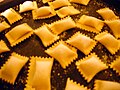 Agnolotti
 -
 Agnolotti al plin
 -
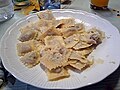 Agnolotti piemontesi
 -
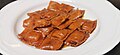 Agnolotti al sugo d'arrosto


-
Agnolotti
-
Agnolotti al plin
-
Agnolotti piemontesi
-
Agnolotti al sugo d'arrosto
Medical Disclaimer: WikiMD is for informational purposes only and is not a substitute for professional medical advice. Content may be inaccurate or outdated and should not be used for diagnosis or treatment. Always consult your healthcare provider for medical decisions. Verify information with trusted sources such as CDC.gov and NIH.gov. By using this site, you agree that WikiMD is not liable for any outcomes related to its content. See full disclaimer.
Credits:Most images are courtesy of Wikimedia commons, and templates, categories Wikipedia, licensed under CC BY SA or similar.
Translate this page: - East Asian
中文,
日本,
한국어,
South Asian
हिन्दी,
தமிழ்,
తెలుగు,
Urdu,
ಕನ್ನಡ,
Southeast Asian
Indonesian,
Vietnamese,
Thai,
မြန်မာဘာသာ,
বাংলা
European
español,
Deutsch,
français,
Greek,
português do Brasil,
polski,
română,
русский,
Nederlands,
norsk,
svenska,
suomi,
Italian
Middle Eastern & African
عربى,
Turkish,
Persian,
Hebrew,
Afrikaans,
isiZulu,
Kiswahili,
Other
Bulgarian,
Hungarian,
Czech,
Swedish,
മലയാളം,
मराठी,
ਪੰਜਾਬੀ,
ગુજરાતી,
Portuguese,
Ukrainian
