Afang soup
A traditional Nigerian soup
Afang soup is a traditional Nigerian soup that is popular among the Efik and Ibibio ethnic groups in Nigeria. It is a rich and nutritious dish made primarily from vegetables, specifically the wild spinach known as Gnetum africanum (locally called afang or okazi) and waterleaf.
Ingredients[edit]
Afang soup is made with a variety of ingredients that contribute to its unique flavor and nutritional value. The primary ingredients include:
- Gnetum africanum (Afang/Okazi leaves)
- Waterleaf
- Palm oil
- Meat (such as beef, goat meat, or chicken)
- Fish (such as stockfish or dry fish)
- Periwinkle
- Crayfish
- Onion
- Pepper
- Seasoning cubes
- Salt
Preparation[edit]
The preparation of Afang soup involves several steps to ensure that the flavors are well developed and the ingredients are properly cooked. The process typically includes:
- Preparation of the leaves: The afang leaves are usually sliced thinly and pounded or blended to soften them. Waterleaf is washed and chopped.
- Cooking the meat and fish: The meat and fish are boiled with onions, seasoning cubes, and salt until tender.
- Combining ingredients: Palm oil is added to the cooked meat and fish, followed by the addition of crayfish, pepper, and periwinkle.
- Adding the vegetables: The waterleaf is added first and allowed to cook for a few minutes before the afang leaves are added.
- Final cooking: The soup is stirred and allowed to simmer until the vegetables are tender and the flavors are well combined.
Cultural significance[edit]
Afang soup is not only a staple in the diet of the Efik and Ibibio people but also holds cultural significance. It is often served at traditional ceremonies, festivals, and special occasions. The soup is known for its rich taste and is considered a delicacy that showcases the culinary heritage of the region.
Nutritional value[edit]
Afang soup is highly nutritious, providing a good source of vitamins, minerals, and dietary fiber from the vegetables. The inclusion of meat and fish adds protein, while palm oil contributes healthy fats. This makes it a balanced meal that supports overall health and well-being.
Related pages[edit]
Gallery[edit]
-
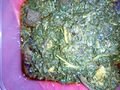 Afang soup served in a bowl
 -
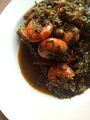 Close-up of Afang soup


Medical Disclaimer: WikiMD is for informational purposes only and is not a substitute for professional medical advice. Content may be inaccurate or outdated and should not be used for diagnosis or treatment. Always consult your healthcare provider for medical decisions. Verify information with trusted sources such as CDC.gov and NIH.gov. By using this site, you agree that WikiMD is not liable for any outcomes related to its content. See full disclaimer.
Credits:Most images are courtesy of Wikimedia commons, and templates, categories Wikipedia, licensed under CC BY SA or similar.
Translate page: - East Asian
中文,
日本,
한국어,
South Asian
हिन्दी,
தமிழ்,
తెలుగు,
Urdu,
ಕನ್ನಡ,
Southeast Asian
Indonesian,
Vietnamese,
Thai,
မြန်မာဘာသာ,
বাংলা
European
español,
Deutsch,
français,
Greek,
português do Brasil,
polski,
română,
русский,
Nederlands,
norsk,
svenska,
suomi,
Italian
Middle Eastern & African
عربى,
Turkish,
Persian,
Hebrew,
Afrikaans,
isiZulu,
Kiswahili,
Other
Bulgarian,
Hungarian,
Czech,
Swedish,
മലയാളം,
मराठी,
ਪੰਜਾਬੀ,
ગુજરાતી,
Portuguese,
Ukrainian

