2011 United States listeriosis outbreak
2011 United States listeriosis outbreak[edit]
The 2011 United States listeriosis outbreak was a significant foodborne illness outbreak caused by the bacterium Listeria monocytogenes. This outbreak was linked to contaminated cantaloupes from a farm in Colorado, and it resulted in numerous illnesses and deaths across multiple states.
Background[edit]
Listeria monocytogenes is a pathogenic bacterium that can cause the infection known as listeriosis. This bacterium is commonly found in soil, water, and some animals, including poultry and cattle. It can be present in raw milk and foods made from raw milk. Listeria can also be found in processed foods and can grow at refrigeration temperatures, making it a significant concern for food safety.
The Outbreak[edit]
The outbreak began in late July 2011 and was identified in September 2011. It was traced back to cantaloupes grown at Jensen Farms in Granada, Colorado. The Centers for Disease Control and Prevention (CDC) reported that the outbreak resulted in 147 illnesses, 33 deaths, and one miscarriage across 28 states.
Source of Contamination[edit]
Investigations by the Food and Drug Administration (FDA) and the CDC revealed that the contamination likely occurred in the packing facility of Jensen Farms. The facility had several sanitation issues, including pooling water on the floor and old, hard-to-clean equipment. These conditions allowed Listeria to thrive and contaminate the cantaloupes.
Impact[edit]
The 2011 listeriosis outbreak was one of the deadliest foodborne illness outbreaks in the United States in recent history. It highlighted the importance of food safety practices and the need for stringent regulations in the food production and processing industries.
Public Health Response[edit]
In response to the outbreak, the CDC and FDA worked closely with state and local health departments to identify the source of the outbreak and prevent further cases. A recall of the contaminated cantaloupes was issued, and public warnings were disseminated to inform consumers about the risks associated with the affected products.
Prevention[edit]
Preventing listeriosis involves proper food handling and processing practices. This includes maintaining clean facilities, ensuring proper refrigeration, and following guidelines for the safe processing of foods. Consumers are advised to wash fruits and vegetables thoroughly and to keep raw and cooked foods separate to avoid cross-contamination.
Related pages[edit]
- Listeriosis
- Foodborne illness
- Centers for Disease Control and Prevention
- Food and Drug Administration
Gallery[edit]
-
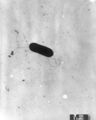 Listeria monocytogenes

2011 United States listeriosis outbreak[edit]

Medical Disclaimer: WikiMD is for informational purposes only and is not a substitute for professional medical advice. Content may be inaccurate or outdated and should not be used for diagnosis or treatment. Always consult your healthcare provider for medical decisions. Verify information with trusted sources such as CDC.gov and NIH.gov. By using this site, you agree that WikiMD is not liable for any outcomes related to its content. See full disclaimer.
Credits:Most images are courtesy of Wikimedia commons, and templates, categories Wikipedia, licensed under CC BY SA or similar.
Translate page: - East Asian
中文,
日本,
한국어,
South Asian
हिन्दी,
தமிழ்,
తెలుగు,
Urdu,
ಕನ್ನಡ,
Southeast Asian
Indonesian,
Vietnamese,
Thai,
မြန်မာဘာသာ,
বাংলা
European
español,
Deutsch,
français,
Greek,
português do Brasil,
polski,
română,
русский,
Nederlands,
norsk,
svenska,
suomi,
Italian
Middle Eastern & African
عربى,
Turkish,
Persian,
Hebrew,
Afrikaans,
isiZulu,
Kiswahili,
Other
Bulgarian,
Hungarian,
Czech,
Swedish,
മലയാളം,
मराठी,
ਪੰਜਾਬੀ,
ગુજરાતી,
Portuguese,
Ukrainian

