Koulourakia
Koulourakia are a traditional Greek dessert, typically made during the Easter season. They are a type of cookie that is hand-shaped into various forms, including circles, braids, and 'S' shapes. The name 'koulourakia' comes from their circular shape, as 'kouloura' means 'circle' in Greek.
Ingredients[edit]
Koulourakia are made from simple, everyday ingredients. The main ingredients include flour, sugar, butter, eggs, and vanilla extract. Some variations may also include orange zest, baking powder, and a touch of brandy or ouzo for flavor. The cookies are often topped with sesame seeds before baking.
Preparation[edit]
The preparation of koulourakia involves mixing the ingredients together to form a dough, shaping the dough into the desired forms, and then baking the cookies until they are golden brown. The dough is typically quite dense, which allows it to hold its shape during baking. After baking, the cookies are often glazed with an egg wash to give them a shiny finish.
Cultural Significance[edit]
Koulourakia are a staple in Greek households during the Easter season. They are often made on Holy Thursday and are served after the Midnight Resurrection Service on Easter Sunday. The cookies are also often given as gifts to friends and family during this time.
Variations[edit]
While the basic recipe for koulourakia remains the same, there are many regional variations throughout Greece. Some regions add spices like anise or cinnamon, while others may add nuts or dried fruit. The shape of the cookies can also vary, with some regions preferring simple round cookies and others creating intricate braided designs.
See Also[edit]
This article is a Greek cuisine stub. You can help WikiMD by expanding it!

-
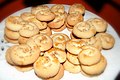 Koulourakia

Ad. Transform your life with W8MD's
GLP-1 weight loss injections special from $29.99 with insurance
|
WikiMD Medical Encyclopedia |
Medical Disclaimer: WikiMD is for informational purposes only and is not a substitute for professional medical advice. Content may be inaccurate or outdated and should not be used for diagnosis or treatment. Always consult your healthcare provider for medical decisions. Verify information with trusted sources such as CDC.gov and NIH.gov. By using this site, you agree that WikiMD is not liable for any outcomes related to its content. See full disclaimer.
Credits:Most images are courtesy of Wikimedia commons, and templates, categories Wikipedia, licensed under CC BY SA or similar.
Translate this page: - East Asian
中文,
日本,
한국어,
South Asian
हिन्दी,
தமிழ்,
తెలుగు,
Urdu,
ಕನ್ನಡ,
Southeast Asian
Indonesian,
Vietnamese,
Thai,
မြန်မာဘာသာ,
বাংলা
European
español,
Deutsch,
français,
Greek,
português do Brasil,
polski,
română,
русский,
Nederlands,
norsk,
svenska,
suomi,
Italian
Middle Eastern & African
عربى,
Turkish,
Persian,
Hebrew,
Afrikaans,
isiZulu,
Kiswahili,
Other
Bulgarian,
Hungarian,
Czech,
Swedish,
മലയാളം,
मराठी,
ਪੰਜਾਬੀ,
ગુજરાતી,
Portuguese,
Ukrainian
