Rumack–Matthew nomogram
Rumack–Matthew nomogram is a graphical tool used by healthcare professionals to assess the risk of hepatotoxicity due to an acetaminophen overdose. Developed in the 1970s by Barry Rumack and Henry Matthew, the nomogram helps in determining the necessity for acetylcysteine treatment to prevent or reduce liver damage following ingestion of potentially toxic doses of acetaminophen.
Overview[edit]
Acetaminophen, also known as paracetamol, is a common over-the-counter medication used to treat pain and fever. While safe at recommended doses, acetaminophen overdose is a leading cause of acute liver failure in many countries. The Rumack–Matthew nomogram is a crucial tool in emergency medicine for managing such cases, providing a visual representation of the risk of hepatotoxicity based on the serum concentration of acetaminophen at a given time post-ingestion.
Usage[edit]
The nomogram is used by plotting the time since ingestion of acetaminophen on the x-axis against the serum acetaminophen concentration on the y-axis. The plot point determines the potential risk of hepatotoxicity and the need for treatment with acetylcysteine, an antidote that can prevent liver damage if administered early.
It is important to note that the nomogram is only applicable within a specific time frame after ingestion, typically 4 to 24 hours. Results outside this window may not provide accurate risk assessment. Furthermore, the nomogram assumes a single, acute ingestion of acetaminophen and may not be accurate for cases of chronic overdose or when the time of ingestion is unknown.
Limitations[edit]
While the Rumack–Matthew nomogram is a valuable tool, it has limitations. It does not apply to patients with pre-existing liver disease, chronic alcoholics, or those who have ingested multiple substances that could affect liver function. In such cases, clinical judgment and additional diagnostic tools are necessary to assess the patient's condition and treatment needs.
Treatment[edit]
Patients identified at risk of hepatotoxicity according to the nomogram are typically treated with acetylcysteine, either orally or intravenously. Acetylcysteine acts to replenish glutathione stores, a critical antioxidant in the detoxification of acetaminophen metabolites that cause liver damage.
Conclusion[edit]
The Rumack–Matthew nomogram remains a fundamental tool in emergency medicine for the management of acetaminophen overdose. Its use, in conjunction with clinical judgment and other diagnostic measures, aids in the timely treatment of potentially life-threatening hepatotoxicity.

-
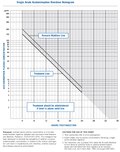 Rumack–Matthew nomogram with treatment line
 -
 Original Nomogram Rumack BH Matthew H, Acetaminophen Pediatrics 1975
Ad. Transform your health with W8MD Weight Loss, Sleep & MedSpa

Tired of being overweight?
Special offer:
Budget GLP-1 weight loss medications
- Semaglutide starting from $29.99/week and up with insurance for visit of $59.99 and up per week self pay.
- Tirzepatide starting from $45.00/week and up (dose dependent) or $69.99/week and up self pay
✔ Same-week appointments, evenings & weekends
Learn more:
- GLP-1 weight loss clinic NYC
- W8MD's NYC medical weight loss
- W8MD Philadelphia GLP-1 shots
- Philadelphia GLP-1 injections
- Affordable GLP-1 shots NYC
|
WikiMD Medical Encyclopedia |
Medical Disclaimer: WikiMD is for informational purposes only and is not a substitute for professional medical advice. Content may be inaccurate or outdated and should not be used for diagnosis or treatment. Always consult your healthcare provider for medical decisions. Verify information with trusted sources such as CDC.gov and NIH.gov. By using this site, you agree that WikiMD is not liable for any outcomes related to its content. See full disclaimer.
Credits:Most images are courtesy of Wikimedia commons, and templates, categories Wikipedia, licensed under CC BY SA or similar.
Translate this page: - East Asian
中文,
日本,
한국어,
South Asian
हिन्दी,
தமிழ்,
తెలుగు,
Urdu,
ಕನ್ನಡ,
Southeast Asian
Indonesian,
Vietnamese,
Thai,
မြန်မာဘာသာ,
বাংলা
European
español,
Deutsch,
français,
Greek,
português do Brasil,
polski,
română,
русский,
Nederlands,
norsk,
svenska,
suomi,
Italian
Middle Eastern & African
عربى,
Turkish,
Persian,
Hebrew,
Afrikaans,
isiZulu,
Kiswahili,
Other
Bulgarian,
Hungarian,
Czech,
Swedish,
മലയാളം,
मराठी,
ਪੰਜਾਬੀ,
ગુજરાતી,
Portuguese,
Ukrainian
