Xinyang Maojian tea
Xinyang Maojian Tea[edit]
Xinyang Maojian Tea is a famous type of green tea produced in the Xinyang city of Henan province, China. It is renowned for its high quality and has been given the title of one of the Ten Famous Teas of China. The tea is characterized by its unique appearance, aroma, and taste.
History[edit]
The history of Xinyang Maojian Tea dates back to the Tang Dynasty, making it one of the oldest types of tea in China. It was during the Qing Dynasty that the tea started gaining popularity and was frequently presented as a tribute to the royal family.
Production Process[edit]
The production process of Xinyang Maojian Tea involves several steps. The tea leaves are usually harvested in the early spring, and the best quality tea is made from the young, tender leaves and buds. The process includes withering, fixing, rolling, and drying.
Appearance[edit]
Xinyang Maojian Tea is known for its distinctive appearance. The tea leaves are small and tightly rolled, with a dark green color. The brewed tea has a bright green color.
Aroma and Taste[edit]
The aroma of Xinyang Maojian Tea is fresh and lasting, and the taste is mellow and sweet with a hint of bitterness. The aftertaste is refreshing and long-lasting.
Health Benefits[edit]
Xinyang Maojian Tea is rich in polyphenols, amino acids, vitamins, and minerals, which are beneficial to human health. It can help to improve digestion, enhance immunity, and reduce the risk of cardiovascular diseases.
Brewing Method[edit]
The traditional brewing method of Xinyang Maojian Tea involves using a Gaiwan or a small teapot. The water temperature should be around 80-85°C, and the brewing time is usually 1-2 minutes.
Cultural Significance[edit]
Xinyang Maojian Tea has a significant cultural value in China. It is often used in traditional Chinese tea ceremonies and is a symbol of hospitality and respect.
See Also[edit]
External Links[edit]

Xinyang_Maojian_tea[edit]
-
Maojian (high grade, spring 2007)
-
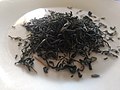 Xinyang Maojian

Ad. Transform your life with W8MD's
GLP-1 weight loss injections special from $29.99 with insurance
|
WikiMD Medical Encyclopedia |
Medical Disclaimer: WikiMD is for informational purposes only and is not a substitute for professional medical advice. Content may be inaccurate or outdated and should not be used for diagnosis or treatment. Always consult your healthcare provider for medical decisions. Verify information with trusted sources such as CDC.gov and NIH.gov. By using this site, you agree that WikiMD is not liable for any outcomes related to its content. See full disclaimer.
Credits:Most images are courtesy of Wikimedia commons, and templates, categories Wikipedia, licensed under CC BY SA or similar.
Translate this page: - East Asian
中文,
日本,
한국어,
South Asian
हिन्दी,
தமிழ்,
తెలుగు,
Urdu,
ಕನ್ನಡ,
Southeast Asian
Indonesian,
Vietnamese,
Thai,
မြန်မာဘာသာ,
বাংলা
European
español,
Deutsch,
français,
Greek,
português do Brasil,
polski,
română,
русский,
Nederlands,
norsk,
svenska,
suomi,
Italian
Middle Eastern & African
عربى,
Turkish,
Persian,
Hebrew,
Afrikaans,
isiZulu,
Kiswahili,
Other
Bulgarian,
Hungarian,
Czech,
Swedish,
മലയാളം,
मराठी,
ਪੰਜਾਬੀ,
ગુજરાતી,
Portuguese,
Ukrainian

.jpg)