Sambucus
Introduction[edit]


Sambucus is a genus of flowering plants in the family Adoxaceae. This genus consists of about 30 species of shrubs and small trees that are native to temperate and subtropical regions of the world. Sambucus is commonly known as elder or elderberry, and has been used for medicinal and culinary purposes for centuries.
Description[edit]
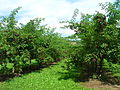
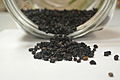
Sambucus plants typically grow up to 10 meters tall, although some species can reach up to 15 meters in height. They have pinnate leaves with 5-9 leaflets, and produce large, flat clusters of small white or cream-colored flowers in the spring and early summer. These flowers are followed by clusters of small, dark purple or black berries in the late summer and early fall.
Distribution and Habitat[edit]
Sambucus species are found throughout the temperate and subtropical regions of the world, with the greatest diversity in the northern hemisphere. They are commonly found in woodlands, hedgerows, and along streams and rivers. Some species, such as Sambucus nigra, are also commonly cultivated in gardens for their ornamental value and edible fruit.
Uses[edit]
Sambucus has been used for medicinal purposes for centuries, particularly for its immune-boosting properties. The berries and flowers of some species contain compounds that have anti-inflammatory, antiviral, and antioxidant effects. Sambucus extract has been used to treat colds, flu, and other respiratory infections.
The fruit of some Sambucus species, particularly Sambucus nigra, is also used in culinary applications. The berries can be used to make jams, jellies, and syrups, and are also used to flavor liqueurs and wines.
Species[edit]
Some of the most commonly recognized Sambucus species include:
Sambucus canadensis - commonly known as American elder or elderberry Sambucus cerulea - commonly known as blue elderberry Sambucus nigra - commonly known as European elder or black elder Sambucus racemosa - commonly known as red elderberry
Cultivation[edit]
Sambucus species are relatively easy to grow and care for, and can be grown in a variety of soil types and light conditions. They prefer moist, well-drained soil and partial to full sunlight. Propagation can be done through seed or cuttings, and mature plants can be pruned back in the winter to promote new growth in the spring.
Symbolism[edit]
In many cultures, elder has been associated with magic and folklore. In European folklore, elder trees were believed to have protective and healing properties, and were often planted near homes to ward off evil spirits. In Native American cultures, the plant was used in ceremonies and as a source of food and medicine.
Health and Safety Concerns[edit]
While Sambucus has a long history of use in traditional medicine and culinary practices, it is important to note that the plant can also be toxic if not prepared or consumed properly. The leaves, stems, and unripe berries contain a toxic compound called cyanogenic glycoside, which can cause nausea, vomiting, and other symptoms if ingested in large amounts. It is important to only consume fully ripe berries and to avoid consuming any other parts of the plant.
Conclusion[edit]
Sambucus is a diverse and fascinating genus of plants with a rich history of medicinal and culinary use. With its immune-boosting properties and versatile fruit, it has become an increasingly popular plant in the world of natural medicine and alternative cuisine. However, it is important to be aware of the potential health and safety concerns associated with this plant, and to consume it only in moderation and after proper preparation.
References[edit]
<references />
| This article is a stub. You can help WikiMD by registering to expand it. |
-
 Sambucus
 -
 Sambucus
 -
 Sambucus
 -
 Sambucus


Ad. Transform your health with W8MD Weight Loss, Sleep & MedSpa

Tired of being overweight?
Get started with evidence based, physician-supervised
affordable GLP-1 weight loss injections
Now available in New York City and Philadelphia:
- Semaglutide starting from $59.99/week and up
- Tirzepatide starting from $69.99/week and up (dose dependent)
✔ Evidence-based medical weight loss ✔ Insurance-friendly visits available ✔ Same-week appointments, evenings & weekends
Learn more:
Start your transformation today with W8MD weight loss centers.
|
WikiMD Medical Encyclopedia |
Medical Disclaimer: WikiMD is for informational purposes only and is not a substitute for professional medical advice. Content may be inaccurate or outdated and should not be used for diagnosis or treatment. Always consult your healthcare provider for medical decisions. Verify information with trusted sources such as CDC.gov and NIH.gov. By using this site, you agree that WikiMD is not liable for any outcomes related to its content. See full disclaimer.
Credits:Most images are courtesy of Wikimedia commons, and templates, categories Wikipedia, licensed under CC BY SA or similar.
Translate this page: - East Asian
中文,
日本,
한국어,
South Asian
हिन्दी,
தமிழ்,
తెలుగు,
Urdu,
ಕನ್ನಡ,
Southeast Asian
Indonesian,
Vietnamese,
Thai,
မြန်မာဘာသာ,
বাংলা
European
español,
Deutsch,
français,
Greek,
português do Brasil,
polski,
română,
русский,
Nederlands,
norsk,
svenska,
suomi,
Italian
Middle Eastern & African
عربى,
Turkish,
Persian,
Hebrew,
Afrikaans,
isiZulu,
Kiswahili,
Other
Bulgarian,
Hungarian,
Czech,
Swedish,
മലയാളം,
मराठी,
ਪੰਜਾਬੀ,
ગુજરાતી,
Portuguese,
Ukrainian
