Cerebral atherosclerosis
Cerebral Atherosclerosis is a specific form of atherosclerosis, a disease characterized by the hardening and narrowing of the arteries due to the buildup of plaque. This condition specifically affects the arteries in the brain, leading to a reduction in blood flow and potentially resulting in a stroke or transient ischemic attack (TIA).
Causes
The primary cause of cerebral atherosclerosis is the accumulation of fatty deposits on the inner walls of the arteries. These deposits, or plaques, consist of cholesterol, calcium, and other substances found in the blood. Over time, these plaques can harden and narrow the arteries, reducing blood flow to the brain. Factors that can contribute to the development of these plaques include high blood pressure, high cholesterol, diabetes, and smoking.
Symptoms
The symptoms of cerebral atherosclerosis can vary depending on the severity of the condition and the specific arteries affected. In some cases, individuals may not experience any symptoms until a significant blockage occurs. When symptoms do occur, they may include headache, difficulty speaking, weakness on one side of the body, and vision problems. In severe cases, cerebral atherosclerosis can lead to a stroke.
Diagnosis
Cerebral atherosclerosis is typically diagnosed through a combination of physical examination, patient history, and diagnostic tests. These tests may include blood tests to check for high cholesterol or diabetes, imaging tests such as a CT scan or MRI to visualize the arteries, and a cerebral angiogram to identify any blockages.
Treatment
Treatment for cerebral atherosclerosis typically involves lifestyle changes, medication, and in some cases, surgery. Lifestyle changes may include quitting smoking, eating a healthier diet, and increasing physical activity. Medications may be used to control high blood pressure, lower cholesterol, or prevent blood clots. In severe cases, surgery such as angioplasty or endarterectomy may be necessary to remove or reduce the plaques.
Prevention
Prevention of cerebral atherosclerosis largely involves managing risk factors. This includes maintaining a healthy diet, regular exercise, quitting smoking, and controlling conditions such as high blood pressure and diabetes.


This article is a cardiovascular system stub. You can help WikiMD by expanding it!
-
 Cerebral Angiogram Lateral
 -
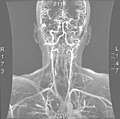 Angio MR


Ad. Transform your life with W8MD's
GLP-1 weight loss injections special from $29.99 with insurance
|
WikiMD Medical Encyclopedia |
Medical Disclaimer: WikiMD is for informational purposes only and is not a substitute for professional medical advice. Content may be inaccurate or outdated and should not be used for diagnosis or treatment. Always consult your healthcare provider for medical decisions. Verify information with trusted sources such as CDC.gov and NIH.gov. By using this site, you agree that WikiMD is not liable for any outcomes related to its content. See full disclaimer.
Credits:Most images are courtesy of Wikimedia commons, and templates, categories Wikipedia, licensed under CC BY SA or similar.
Translate this page: - East Asian
中文,
日本,
한국어,
South Asian
हिन्दी,
தமிழ்,
తెలుగు,
Urdu,
ಕನ್ನಡ,
Southeast Asian
Indonesian,
Vietnamese,
Thai,
မြန်မာဘာသာ,
বাংলা
European
español,
Deutsch,
français,
Greek,
português do Brasil,
polski,
română,
русский,
Nederlands,
norsk,
svenska,
suomi,
Italian
Middle Eastern & African
عربى,
Turkish,
Persian,
Hebrew,
Afrikaans,
isiZulu,
Kiswahili,
Other
Bulgarian,
Hungarian,
Czech,
Swedish,
മലയാളം,
मराठी,
ਪੰਜਾਬੀ,
ગુજરાતી,
Portuguese,
Ukrainian
