Physiology of underwater diving
Physiology of Underwater Diving
The physiology of underwater diving is the study of the effects of the underwater environment on the human body. The primary physiological challenges are due to the increased pressure at depth, the need to breathe gas at this pressure, and the effects of breathing gas under pressure. Understanding these effects is crucial for the safety and efficiency of divers.
Effects of Increased Pressure
Underwater, divers are subjected to increased ambient pressure, which increases linearly with depth. This has several physiological implications:
Barotrauma
Barotrauma occurs when the pressure inside an air-filled space in the body does not equal the ambient pressure. Common sites for barotrauma include the ears, sinuses, and lungs. Divers must equalize the pressure in these spaces with the surrounding water pressure to avoid injury.
Nitrogen Narcosis
At depth, the partial pressure of nitrogen in the breathing gas can cause a narcotic effect, known as nitrogen narcosis. This effect is similar to intoxication and can impair judgment and motor skills.
Oxygen Toxicity
Breathing oxygen at high partial pressures can lead to oxygen toxicity, which can damage the lungs and central nervous system. This risk limits the depth and duration of dives.
Breathing Gas at Depth
The increased pressure at depth affects the gases divers breathe:
Gas Absorption and Decompression Sickness
Under pressure, the body absorbs more gas into its tissues. If the pressure decreases too quickly during ascent, the gas can form bubbles in the body, leading to decompression sickness (DCS). Divers must ascend slowly and may need to perform decompression stops to allow safe gas elimination.
Breathing Work
Breathing gas at increased pressure requires more effort due to its increased density. This can lead to fatigue and increases the risk of hypercapnia (excess carbon dioxide in the blood).
Thermal Considerations
Water conducts heat away from the body much more efficiently than air. Divers can lose body heat rapidly, leading to hypothermia. Insulating diving suits are used to mitigate this risk.
Adaptations to Underwater Environment
Divers can undergo physiological adaptations to improve their underwater performance:
Mammalian Diving Reflex
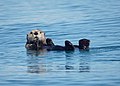
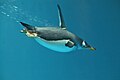
The Mammalian Diving Reflex is a set of reflexes activated by immersion in water and holding one's breath. It optimizes respiration to allow staying underwater for extended periods.
Blood Shift
During deep freedives, the body will shunt blood from the extremities to the chest, protecting the organs from the increased pressure and facilitating oxygen transport.
Conclusion
The physiology of underwater diving encompasses a wide range of responses and adaptations to the underwater environment. Understanding these physiological principles is essential for safe and effective diving practices.

-
 Physiology of underwater diving
 -
 Physiology of underwater diving
 -
 Physiology of underwater diving
 -
 Physiology of underwater diving
 -
 Physiology of underwater diving
 -
 Physiology of underwater diving
 -
 Physiology of underwater diving
 -
 Physiology of underwater diving
 -
 Physiology of underwater diving
 -
 Physiology of underwater diving
 -
 Physiology of underwater diving
 -
 Physiology of underwater diving


.jpg)


.jpg)
Ad. Transform your life with W8MD's Budget GLP-1 injections from $75


W8MD offers a medical weight loss program to lose weight in Philadelphia. Our physician-supervised medical weight loss provides:
- Weight loss injections in NYC (generic and brand names):
- Zepbound / Mounjaro, Wegovy / Ozempic, Saxenda
- Most insurances accepted or discounted self-pay rates. We will obtain insurance prior authorizations if needed.
- Generic GLP1 weight loss injections from $75 for the starting dose.
- Also offer prescription weight loss medications including Phentermine, Qsymia, Diethylpropion, Contrave etc.
NYC weight loss doctor appointmentsNYC weight loss doctor appointments
Start your NYC weight loss journey today at our NYC medical weight loss and Philadelphia medical weight loss clinics.
- Call 718-946-5500 to lose weight in NYC or for medical weight loss in Philadelphia 215-676-2334.
- Tags:NYC medical weight loss, Philadelphia lose weight Zepbound NYC, Budget GLP1 weight loss injections, Wegovy Philadelphia, Wegovy NYC, Philadelphia medical weight loss, Brookly weight loss and Wegovy NYC


|
WikiMD's Wellness Encyclopedia |
| Let Food Be Thy Medicine Medicine Thy Food - Hippocrates |
Medical Disclaimer: WikiMD is not a substitute for professional medical advice. The information on WikiMD is provided as an information resource only, may be incorrect, outdated or misleading, and is not to be used or relied on for any diagnostic or treatment purposes. Please consult your health care provider before making any healthcare decisions or for guidance about a specific medical condition. WikiMD expressly disclaims responsibility, and shall have no liability, for any damages, loss, injury, or liability whatsoever suffered as a result of your reliance on the information contained in this site. By visiting this site you agree to the foregoing terms and conditions, which may from time to time be changed or supplemented by WikiMD. If you do not agree to the foregoing terms and conditions, you should not enter or use this site. See full disclaimer.
Credits:Most images are courtesy of Wikimedia commons, and templates, categories Wikipedia, licensed under CC BY SA or similar.
Translate this page: - East Asian
中文,
日本,
한국어,
South Asian
हिन्दी,
தமிழ்,
తెలుగు,
Urdu,
ಕನ್ನಡ,
Southeast Asian
Indonesian,
Vietnamese,
Thai,
မြန်မာဘာသာ,
বাংলা
European
español,
Deutsch,
français,
Greek,
português do Brasil,
polski,
română,
русский,
Nederlands,
norsk,
svenska,
suomi,
Italian
Middle Eastern & African
عربى,
Turkish,
Persian,
Hebrew,
Afrikaans,
isiZulu,
Kiswahili,
Other
Bulgarian,
Hungarian,
Czech,
Swedish,
മലയാളം,
मराठी,
ਪੰਜਾਬੀ,
ગુજરાતી,
Portuguese,
Ukrainian
