Swabian cuisine
Swabian cuisine is a style of cooking native to the Swabia region in southwestern Germany. It is characterized by its inventive and hearty dishes, which often make use of locally sourced ingredients such as pork, beef, poultry, and freshwater fish. Swabian cuisine is also renowned for its wide variety of breads, pastries, and noodles, with Spätzle (a type of soft egg noodle) being one of its most famous contributions to German and international culinary traditions.
History
Swabian cuisine has evolved over centuries, influenced by the agricultural and climatic conditions of the region. The Swabian Alps and the fertile valleys around the Neckar, Danube, and Iller rivers provide a rich array of produce and livestock, shaping the local diet. Historical records suggest that many Swabian dishes have their roots in peasant food, designed to be filling and nutritious to support hard physical labor.
Key Ingredients
Swabian cooking makes extensive use of:
- Pork and beef, often in the form of sausages or slow-cooked roasts.
- Freshwater fish, particularly trout.
- Dairy products, including butter, milk, and cheese.
- A variety of vegetables, notably potatoes, cabbage, and root vegetables.
- Fruits such as apples and cherries, which are often used in desserts.
- Herbs and spices, with parsley, chives, and caraway being particularly common.
Traditional Dishes
- Spätzle: Egg noodles that are a staple of Swabian cuisine, often served as a side dish with meat or cheese.
- Maultaschen: Large dumplings filled with a mixture of meat, spinach, bread crumbs, and onions, seasoned with various herbs. They are often described as Swabian ravioli.
- Schwäbischer Zwiebelkuchen: A savory onion pie made with a yeast dough base, topped with sautéed onions, bacon, cream, and caraway seeds.
- Sauerbraten: A pot roast, usually of beef (but other meats such as lamb, mutton, pork, and traditionally, horse), marinated before slow cooking as pot roast. The Swabian version is often served with Spätzle.
- Linsen mit Spätzle: Lentils with Spätzle, typically accompanied by sausages, is a comforting dish showcasing the region's legumes and pasta.
Beverages
Swabian cuisine is complemented by a variety of beverages, including:
- Beer, with local varieties enjoying popularity.
- Wine, particularly those produced in the Württemberg region, known for its reds and whites.
- Fruit brandies, especially apple and pear, are traditional spirits enjoyed in moderation.
Cultural Significance
Swabian cuisine is not just about sustenance but is deeply embedded in the region's cultural identity and traditions. Festivals, family gatherings, and seasonal celebrations often feature traditional Swabian dishes. The cuisine reflects the Swabians' connection to their land, their history, and their community values.
See Also

-
 Schwäbische Maultaschen
 -
 Nockerl
 -
 Spätzlepresse
 -
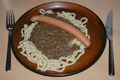 Linsen mit Spätzle
 -
 Schupfnudeln mit Sauerkraut
 -
 Kaiserschmarrn
 -
 Gaisburger Marsch
 -
 Saure Kutteln
 -
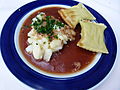 Schwäbischer Kartoffelsalat mit Maultaschen
 -
 Kampsbrezel
 -
 Bätscher


Ad. Transform your life with W8MD's
GLP-1 weight loss injections special from $29.99 with insurance
|
WikiMD Medical Encyclopedia |
Medical Disclaimer: WikiMD is for informational purposes only and is not a substitute for professional medical advice. Content may be inaccurate or outdated and should not be used for diagnosis or treatment. Always consult your healthcare provider for medical decisions. Verify information with trusted sources such as CDC.gov and NIH.gov. By using this site, you agree that WikiMD is not liable for any outcomes related to its content. See full disclaimer.
Credits:Most images are courtesy of Wikimedia commons, and templates, categories Wikipedia, licensed under CC BY SA or similar.
Translate this page: - East Asian
中文,
日本,
한국어,
South Asian
हिन्दी,
தமிழ்,
తెలుగు,
Urdu,
ಕನ್ನಡ,
Southeast Asian
Indonesian,
Vietnamese,
Thai,
မြန်မာဘာသာ,
বাংলা
European
español,
Deutsch,
français,
Greek,
português do Brasil,
polski,
română,
русский,
Nederlands,
norsk,
svenska,
suomi,
Italian
Middle Eastern & African
عربى,
Turkish,
Persian,
Hebrew,
Afrikaans,
isiZulu,
Kiswahili,
Other
Bulgarian,
Hungarian,
Czech,
Swedish,
മലയാളം,
मराठी,
ਪੰਜਾਬੀ,
ગુજરાતી,
Portuguese,
Ukrainian
