Diospyros kaki
Diospyros kaki, commonly known as the kaki persimmon or Japanese persimmon, is a species of the genus Diospyros in the family Ebenaceae. It is native to China, but it is widely cultivated for its fruit and is naturalized in many parts of the world.
Description[edit]
Diospyros kaki is a deciduous tree that can grow up to 10–12 meters in height. The leaves are alternate, simple, and ovate with a pointed tip. The flowers are small and yellowish, with male flowers in three-flowered cymes, female flowers solitary. The fruit is a large, round, orange-yellow berry that is sweet when fully ripe.
Cultivation and uses[edit]
Diospyros kaki is extensively cultivated in East Asia for its edible fruit. The fruit is eaten fresh, dried, or cooked, and is used in various culinary applications such as cakes, puddings, and salads. The wood of the tree is also used in furniture making and other woodworking applications.
Varieties[edit]
There are many varieties of Diospyros kaki, including 'Fuyu', 'Hachiya', 'Rojo Brillante', and 'Saijo'. Each variety has its own unique characteristics in terms of size, shape, color, and taste of the fruit.
Health benefits[edit]
The fruit of Diospyros kaki is rich in vitamin C, vitamin A, and dietary fiber. It also contains various antioxidants that are beneficial for health. Regular consumption of the fruit can help in improving digestion, boosting immunity, and preventing various diseases.
See also[edit]

-
 Diospyros kaki
 -
 Diospyros kaki
 -
 Diospyros kaki
 -
 Diospyros kaki
 -
 Diospyros kaki
 -
 Diospyros kaki
 -
 Diospyros kaki
 -
 Diospyros kaki
 -
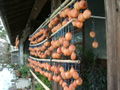 Diospyros kaki


.JPG)
.jpg)
)_MET_DP144588.jpg)

.jpg)

Ad. Transform your life with W8MD's
GLP-1 weight loss injections special from $29.99 with insurance
|
WikiMD Medical Encyclopedia |
Medical Disclaimer: WikiMD is for informational purposes only and is not a substitute for professional medical advice. Content may be inaccurate or outdated and should not be used for diagnosis or treatment. Always consult your healthcare provider for medical decisions. Verify information with trusted sources such as CDC.gov and NIH.gov. By using this site, you agree that WikiMD is not liable for any outcomes related to its content. See full disclaimer.
Credits:Most images are courtesy of Wikimedia commons, and templates, categories Wikipedia, licensed under CC BY SA or similar.
Translate this page: - East Asian
中文,
日本,
한국어,
South Asian
हिन्दी,
தமிழ்,
తెలుగు,
Urdu,
ಕನ್ನಡ,
Southeast Asian
Indonesian,
Vietnamese,
Thai,
မြန်မာဘာသာ,
বাংলা
European
español,
Deutsch,
français,
Greek,
português do Brasil,
polski,
română,
русский,
Nederlands,
norsk,
svenska,
suomi,
Italian
Middle Eastern & African
عربى,
Turkish,
Persian,
Hebrew,
Afrikaans,
isiZulu,
Kiswahili,
Other
Bulgarian,
Hungarian,
Czech,
Swedish,
മലയാളം,
मराठी,
ਪੰਜਾਬੀ,
ગુજરાતી,
Portuguese,
Ukrainian
