Nuclear power phase-out
Nuclear power phase-out is the discontinuation of usage of nuclear power for energy production. Often initiated because of concerns about nuclear accidents, nuclear power phase-out is a policy implemented by many countries and power plants worldwide.
History[edit]
The history of nuclear power phase-out dates back to the 1970s, when several countries began to question the safety and sustainability of nuclear power. The Three Mile Island accident in 1979 and the Chernobyl disaster in 1986 heightened these concerns, leading to increased public opposition to nuclear power.
Reasons for Phase-Out[edit]
There are several reasons for a nuclear power phase-out. These include the potential for nuclear accidents, the problem of disposing of nuclear waste, the high cost of building new nuclear power plants, and the availability of alternative energy sources such as wind power and solar power.
Countries Implementing Phase-Out[edit]
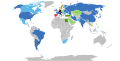
Several countries have implemented a nuclear power phase-out. These include:
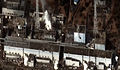
- Germany: Following the Fukushima Daiichi nuclear disaster in 2011, Germany announced it would phase out all nuclear power by 2022.
- Belgium: Belgium has planned to phase out nuclear power by 2025.
- Switzerland: In a 2017 referendum, Swiss voters approved a phase-out of nuclear power.
Impact of Phase-Out[edit]
The impact of a nuclear power phase-out can be significant. It can lead to increased reliance on fossil fuels, which can increase greenhouse gas emissions. However, it can also spur investment in renewable energy sources and energy efficiency measures.
See Also[edit]
References[edit]
<references />

-
 Nuclear power phase-out
 -
 Nuclear power phase-out
 -
 Nuclear power phase-out
 -
 Nuclear power phase-out
 -
 Nuclear power phase-out
 -
 Nuclear power phase-out
 -
 Nuclear power phase-out
 -
 Nuclear power phase-out
 -
 Nuclear power phase-out
 -
 Nuclear power phase-out
 -
 Nuclear power phase-out
 -
 Nuclear power phase-out


Ad. Transform your life with W8MD's
GLP-1 weight loss injections special from $29.99 with insurance
|
WikiMD Medical Encyclopedia |
Medical Disclaimer: WikiMD is for informational purposes only and is not a substitute for professional medical advice. Content may be inaccurate or outdated and should not be used for diagnosis or treatment. Always consult your healthcare provider for medical decisions. Verify information with trusted sources such as CDC.gov and NIH.gov. By using this site, you agree that WikiMD is not liable for any outcomes related to its content. See full disclaimer.
Credits:Most images are courtesy of Wikimedia commons, and templates, categories Wikipedia, licensed under CC BY SA or similar.
Translate this page: - East Asian
中文,
日本,
한국어,
South Asian
हिन्दी,
தமிழ்,
తెలుగు,
Urdu,
ಕನ್ನಡ,
Southeast Asian
Indonesian,
Vietnamese,
Thai,
မြန်မာဘာသာ,
বাংলা
European
español,
Deutsch,
français,
Greek,
português do Brasil,
polski,
română,
русский,
Nederlands,
norsk,
svenska,
suomi,
Italian
Middle Eastern & African
عربى,
Turkish,
Persian,
Hebrew,
Afrikaans,
isiZulu,
Kiswahili,
Other
Bulgarian,
Hungarian,
Czech,
Swedish,
മലയാളം,
मराठी,
ਪੰਜਾਬੀ,
ગુજરાતી,
Portuguese,
Ukrainian
