Polish cuisine
Polish cuisine is a style of cooking and food preparation originating from Poland. It has evolved over the centuries due to historical circumstances. Polish cuisine shares many similarities with other Slavic countries, especially Czech cuisine, Slovak cuisine, and Russian cuisine. It has also been widely influenced by other Central European cuisines, namely German cuisine, Austrian cuisine, Hungarian cuisine, as well as Jewish, French, Italian, and Turkish cuisine.
History
Polish cuisine in the Middle Ages was based on grains such as millet, rye, wheat, and barley. Meat products, widely used in today's Polish recipes, were not as common because of the high cost. The evolution of Polish cuisine began in the 16th century when new crops were introduced from the New World, including maize, potatoes, and tomatoes.
Ingredients
The most typical ingredients used in Polish cuisine are sauerkraut, beetroot, cucumbers (gherkins), sour cream, kohlrabi, mushrooms, sausages and smoked sausage. A meal owes its taste to the herbs and spices used; such as marjoram, dill, caraway seeds, parsley, or pepper. The most popular desserts are cakes and pastries.
Dishes
Famous Polish dishes include pierogi, kielbasa, bigos, rolada, sauerkraut, golabki, and paczki. Polish cuisine also has a variety of soups like zurek, barszcz, and rosol.
Beverages
Vodka and beer are the two most commonly consumed alcoholic beverages in Poland. Tea and coffee are popular non-alcoholic beverages.
See also
This European cuisine related article is a stub. You can help WikiMD by expanding it.

Polish_cuisine
-
 Polish_cuisine
 -
 Kielbasas
 -
 Oscypki
 -
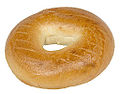 Polish_cuisine
 -
 Polish_cuisine
 -
 Gingerbread from Torun
 -
 Ogorki kiszone
 -
 Compendium ferculorum
 -
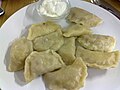 Pierogi
 -
 Zapiekanka
 -
 Uszka
Uszka -
 Paczki


Ad. Transform your life with W8MD's
GLP-1 weight loss injections special from $29.99 with insurance
|
WikiMD Medical Encyclopedia |
Medical Disclaimer: WikiMD is for informational purposes only and is not a substitute for professional medical advice. Content may be inaccurate or outdated and should not be used for diagnosis or treatment. Always consult your healthcare provider for medical decisions. Verify information with trusted sources such as CDC.gov and NIH.gov. By using this site, you agree that WikiMD is not liable for any outcomes related to its content. See full disclaimer.
Credits:Most images are courtesy of Wikimedia commons, and templates, categories Wikipedia, licensed under CC BY SA or similar.
Translate this page: - East Asian
中文,
日本,
한국어,
South Asian
हिन्दी,
தமிழ்,
తెలుగు,
Urdu,
ಕನ್ನಡ,
Southeast Asian
Indonesian,
Vietnamese,
Thai,
မြန်မာဘာသာ,
বাংলা
European
español,
Deutsch,
français,
Greek,
português do Brasil,
polski,
română,
русский,
Nederlands,
norsk,
svenska,
suomi,
Italian
Middle Eastern & African
عربى,
Turkish,
Persian,
Hebrew,
Afrikaans,
isiZulu,
Kiswahili,
Other
Bulgarian,
Hungarian,
Czech,
Swedish,
മലയാളം,
मराठी,
ਪੰਜਾਬੀ,
ગુજરાતી,
Portuguese,
Ukrainian
