Maceration (wine)
Maceration (wine) is a critical process in winemaking that involves the soaking of grape skins and solids in wine after fermentation. This process allows the extraction of tannins, color, and aroma compounds into the wine, which contributes to the wine's overall complexity and quality.
Process[edit]
Maceration occurs after the grapes have been crushed and fermentation has begun. The length of the maceration process can vary from a few hours to several weeks, depending on the type of wine being produced and the winemaker's preferences. During this time, the alcohol produced by fermentation helps to extract color, tannins, and aroma compounds from the grape skins and solids. The mixture of grape juice and solids is often referred to as "must".
Factors Influencing Maceration[edit]
Several factors can influence the effectiveness of maceration, including the temperature of the must, the pH of the wine, and the concentration of alcohol. Higher temperatures can increase the rate of extraction, but can also lead to the extraction of unwanted compounds. The pH of the wine can affect the stability of the color and the perception of tannins. Higher alcohol concentrations can increase the extraction of tannins and color, but can also lead to the extraction of harsh, bitter compounds.
Types of Maceration[edit]
There are several types of maceration used in winemaking, including cold maceration, extended maceration, and carbonic maceration. Cold maceration involves soaking the grapes at a low temperature before fermentation, which can help to extract more color and aroma compounds. Extended maceration involves leaving the wine in contact with the skins after fermentation, which can increase the extraction of tannins. Carbonic maceration involves fermenting whole, uncrushed grapes in a carbon dioxide-rich environment, which can result in a wine with a fruity, fresh character.
Impact on Wine[edit]
The maceration process has a significant impact on the final characteristics of the wine. The extraction of tannins can contribute to the wine's structure and aging potential, while the extraction of color can affect the wine's appearance. The extraction of aroma compounds can contribute to the wine's overall aroma and flavor profile.

-
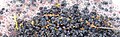 Maceration process in home winemaking
 -
 Black grape with white juice
 -
 Cap of skins during red wine fermentation
 -
 Teinturier Agria and peeled Grenache grape


Ad. Transform your health with W8MD Weight Loss, Sleep & MedSpa

Tired of being overweight?
Special offer:
Budget GLP-1 weight loss medications
- Semaglutide starting from $29.99/week and up with insurance for visit of $59.99 and up per week self pay.
- Tirzepatide starting from $45.00/week and up (dose dependent) or $69.99/week and up self pay
✔ Same-week appointments, evenings & weekends
Learn more:
- GLP-1 weight loss clinic NYC
- W8MD's NYC medical weight loss
- W8MD Philadelphia GLP-1 shots
- Philadelphia GLP-1 injections
- Affordable GLP-1 shots NYC
|
WikiMD Medical Encyclopedia |
Medical Disclaimer: WikiMD is for informational purposes only and is not a substitute for professional medical advice. Content may be inaccurate or outdated and should not be used for diagnosis or treatment. Always consult your healthcare provider for medical decisions. Verify information with trusted sources such as CDC.gov and NIH.gov. By using this site, you agree that WikiMD is not liable for any outcomes related to its content. See full disclaimer.
Credits:Most images are courtesy of Wikimedia commons, and templates, categories Wikipedia, licensed under CC BY SA or similar.
Translate this page: - East Asian
中文,
日本,
한국어,
South Asian
हिन्दी,
தமிழ்,
తెలుగు,
Urdu,
ಕನ್ನಡ,
Southeast Asian
Indonesian,
Vietnamese,
Thai,
မြန်မာဘာသာ,
বাংলা
European
español,
Deutsch,
français,
Greek,
português do Brasil,
polski,
română,
русский,
Nederlands,
norsk,
svenska,
suomi,
Italian
Middle Eastern & African
عربى,
Turkish,
Persian,
Hebrew,
Afrikaans,
isiZulu,
Kiswahili,
Other
Bulgarian,
Hungarian,
Czech,
Swedish,
മലയാളം,
मराठी,
ਪੰਜਾਬੀ,
ગુજરાતી,
Portuguese,
Ukrainian
