Zest (ingredient)
Zest (Ingredient)[edit]
Zest is a food ingredient that is prepared from the outer, colorful skin of citrus fruits such as lemons, oranges, and limes. The zest is used to add flavor to foods.
Preparation[edit]
Zest is produced by scraping or cutting from the outer, colorful skin of unwaxed citrus fruits such as lemons, oranges, and limes. The underlying white pith of the fruit is bitter and generally avoided. The zest is used to add flavor to foods.
Uses[edit]
Zest is often used to add flavor to different recipes, such as cakes, cookies, and candies. It is also commonly used in some cocktails to add a tangy flavor. In addition to its culinary uses, zest also has some potential health benefits. It is rich in vitamin C and contains antioxidants that can help to boost the immune system.
Health Benefits[edit]
Zest is not only a flavorful addition to many dishes, but it also offers a range of health benefits. It is rich in vitamin C, which is essential for the growth and repair of tissues in the body. Zest also contains antioxidants, which can help to fight off harmful free radicals in the body.
Culinary Uses[edit]
Zest can be used in a variety of ways in the kitchen. It can be used to add a burst of flavor to baked goods, such as cakes and cookies. It can also be used to enhance the flavor of savory dishes, such as chicken or fish. In addition, zest can be used to add a tangy flavor to cocktails.
See Also[edit]
References[edit]
- The Flavor Bible: The Essential Guide to Culinary Creativity, Based on the Wisdom of America's Most Imaginative Chefs by Karen Page and Andrew Dornenburg
- On Food and Cooking: The Science and Lore of the Kitchen by Harold McGee
External Links[edit]
- 50 Zest Recipes from Food Network
- Zest Common Mistakes from Bon Appétit

-
 Zesting an orange
 -
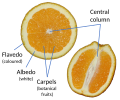 Structure of an orange
 -
 Citrus unshiu
 -
 Julienne peeler
 -
 Removing pith
 -
 Zest (ingredient)


.jpg)

Ad. Transform your life with W8MD's
GLP-1 weight loss injections special from $29.99 with insurance
|
WikiMD Medical Encyclopedia |
Medical Disclaimer: WikiMD is for informational purposes only and is not a substitute for professional medical advice. Content may be inaccurate or outdated and should not be used for diagnosis or treatment. Always consult your healthcare provider for medical decisions. Verify information with trusted sources such as CDC.gov and NIH.gov. By using this site, you agree that WikiMD is not liable for any outcomes related to its content. See full disclaimer.
Credits:Most images are courtesy of Wikimedia commons, and templates, categories Wikipedia, licensed under CC BY SA or similar.
Translate this page: - East Asian
中文,
日本,
한국어,
South Asian
हिन्दी,
தமிழ்,
తెలుగు,
Urdu,
ಕನ್ನಡ,
Southeast Asian
Indonesian,
Vietnamese,
Thai,
မြန်မာဘာသာ,
বাংলা
European
español,
Deutsch,
français,
Greek,
português do Brasil,
polski,
română,
русский,
Nederlands,
norsk,
svenska,
suomi,
Italian
Middle Eastern & African
عربى,
Turkish,
Persian,
Hebrew,
Afrikaans,
isiZulu,
Kiswahili,
Other
Bulgarian,
Hungarian,
Czech,
Swedish,
മലയാളം,
मराठी,
ਪੰਜਾਬੀ,
ગુજરાતી,
Portuguese,
Ukrainian
