Caffeine use for sport
Caffeine Use in Sport
Caffeine is a central nervous system stimulant and the most widely consumed psychoactive substance in the world. It is found naturally in over 60 plants including the coffee bean, tea leaf, kola nut, and cacao pod. Athletes and physically active individuals often use caffeine to enhance physical performance and increase alertness.
Effects on Performance[edit]
Caffeine has been shown to improve various aspects of athletic performance. Its ergogenic (performance-enhancing) effects include improved endurance, increased alertness, and reduced perception of effort, which can be beneficial in both endurance sports and short-term, high-intensity exercise. The exact mechanisms by which caffeine exerts its performance-enhancing effects are not fully understood, but it is believed to work by blocking the action of adenosine, a neurotransmitter that promotes sleep and relaxation, thereby increasing arousal and alertness. Additionally, caffeine may enhance the use of fat as a fuel source, thereby sparing muscle glycogen and prolonging endurance.
Recommended Dosage[edit]
The optimal dose of caffeine for improving sports performance varies among individuals due to differences in tolerance and metabolism. However, research suggests that low to moderate doses of caffeine (3-6 mg/kg body weight) consumed about 60 minutes before exercise are sufficient to enhance performance. Higher doses do not necessarily provide additional benefits and may increase the risk of side effects such as jitteriness, anxiety, heart palpitations, and gastrointestinal distress.
Legal Status[edit]
Caffeine's legal status in sports has varied over time. It was once included on the World Anti-Doping Agency's (WADA) list of prohibited substances but was removed in 2004. Despite this, WADA continues to monitor caffeine intake among athletes due to its potential for abuse. Athletes competing at high levels should be aware of the regulations regarding caffeine use in their sport.
Health Considerations[edit]
While moderate caffeine consumption is generally considered safe for most people, excessive intake can lead to negative health effects such as insomnia, nervousness, restlessness, stomach irritation, nausea, and increased heart rate. Individuals with certain medical conditions or those who are sensitive to caffeine should limit their intake.
Conclusion[edit]
Caffeine is a powerful ergogenic aid that can enhance athletic performance when used appropriately. Athletes considering caffeine use should be mindful of the optimal dosage, timing of intake, and potential side effects. As with any supplement, it is advisable to consult with a healthcare professional before starting caffeine supplementation, especially for those with underlying health conditions.
| Performance-enhancing substances | ||||||||
|---|---|---|---|---|---|---|---|---|
This Performance-enhancing substances related article is a stub.
|

-
 Roasted coffee beans
 -
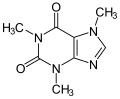 Chemical structure of caffeine
 -
 Luis Morales running in college


_running_in_college.jpg)
Ad. Transform your health with W8MD Weight Loss, Sleep & MedSpa

Tired of being overweight?
Special offer:
Budget GLP-1 weight loss medications
- Semaglutide starting from $29.99/week and up with insurance for visit of $59.99 and up per week self pay.
- Tirzepatide starting from $45.00/week and up (dose dependent) or $69.99/week and up self pay
✔ Same-week appointments, evenings & weekends
Learn more:
- GLP-1 weight loss clinic NYC
- W8MD's NYC medical weight loss
- W8MD Philadelphia GLP-1 shots
- Philadelphia GLP-1 injections
- Affordable GLP-1 shots NYC
|
WikiMD Medical Encyclopedia |
Medical Disclaimer: WikiMD is for informational purposes only and is not a substitute for professional medical advice. Content may be inaccurate or outdated and should not be used for diagnosis or treatment. Always consult your healthcare provider for medical decisions. Verify information with trusted sources such as CDC.gov and NIH.gov. By using this site, you agree that WikiMD is not liable for any outcomes related to its content. See full disclaimer.
Credits:Most images are courtesy of Wikimedia commons, and templates, categories Wikipedia, licensed under CC BY SA or similar.
Translate this page: - East Asian
中文,
日本,
한국어,
South Asian
हिन्दी,
தமிழ்,
తెలుగు,
Urdu,
ಕನ್ನಡ,
Southeast Asian
Indonesian,
Vietnamese,
Thai,
မြန်မာဘာသာ,
বাংলা
European
español,
Deutsch,
français,
Greek,
português do Brasil,
polski,
română,
русский,
Nederlands,
norsk,
svenska,
suomi,
Italian
Middle Eastern & African
عربى,
Turkish,
Persian,
Hebrew,
Afrikaans,
isiZulu,
Kiswahili,
Other
Bulgarian,
Hungarian,
Czech,
Swedish,
മലയാളം,
मराठी,
ਪੰਜਾਬੀ,
ગુજરાતી,
Portuguese,
Ukrainian
