Afzelia africana
Afzelia africana[edit]


Afzelia africana is a species of tree in the family Fabaceae, commonly found in the tropical regions of Africa. It is known for its durable wood and ecological importance.
Description[edit]
Afzelia africana is a large deciduous tree that can grow up to 30 meters in height. The trunk is typically straight and cylindrical, with a diameter that can reach up to 1.5 meters. The bark is greyish-brown and becomes rough and scaly with age.
The leaves of Afzelia africana are compound, with 3 to 5 pairs of leaflets. Each leaflet is oblong to elliptical in shape, with a smooth margin and a glossy green appearance.
Distribution and Habitat[edit]
Afzelia africana is native to the savannas and woodlands of West and Central Africa. It thrives in well-drained soils and is commonly found in areas with a distinct dry season.
Uses[edit]
The wood of Afzelia africana is highly valued for its durability and resistance to termites. It is used in construction, furniture making, and for crafting musical instruments. The tree also has medicinal uses; various parts are used in traditional medicine to treat ailments such as fever and diarrhea.
Conservation[edit]
Afzelia africana is considered vulnerable due to overexploitation for its valuable timber. Conservation efforts are focused on sustainable harvesting practices and reforestation projects.
Related pages[edit]
Gallery[edit]
-
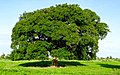 Afzelia africana tree
 -
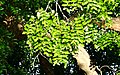 Leaves of Afzelia africana
Afzelia africana[edit]
-
Afzelia africana
-
Afzelia africana
Ad. Transform your life with W8MD's
GLP-1 weight loss injections special from $29.99 with insurance
|
WikiMD Medical Encyclopedia |
Medical Disclaimer: WikiMD is for informational purposes only and is not a substitute for professional medical advice. Content may be inaccurate or outdated and should not be used for diagnosis or treatment. Always consult your healthcare provider for medical decisions. Verify information with trusted sources such as CDC.gov and NIH.gov. By using this site, you agree that WikiMD is not liable for any outcomes related to its content. See full disclaimer.
Credits:Most images are courtesy of Wikimedia commons, and templates, categories Wikipedia, licensed under CC BY SA or similar.
Translate this page: - East Asian
中文,
日本,
한국어,
South Asian
हिन्दी,
தமிழ்,
తెలుగు,
Urdu,
ಕನ್ನಡ,
Southeast Asian
Indonesian,
Vietnamese,
Thai,
မြန်မာဘာသာ,
বাংলা
European
español,
Deutsch,
français,
Greek,
português do Brasil,
polski,
română,
русский,
Nederlands,
norsk,
svenska,
suomi,
Italian
Middle Eastern & African
عربى,
Turkish,
Persian,
Hebrew,
Afrikaans,
isiZulu,
Kiswahili,
Other
Bulgarian,
Hungarian,
Czech,
Swedish,
മലയാളം,
मराठी,
ਪੰਜਾਬੀ,
ગુજરાતી,
Portuguese,
Ukrainian
