Veterinary pathology
Veterinary Pathology is the branch of medicine that deals with the diagnosis of diseases in animals. It encompasses the study of the cause, development, and effects of various diseases on domestic and wild animals. Veterinary pathologists play a crucial role in animal health, food safety, and understanding zoonotic diseases, which are diseases that can be transmitted from animals to humans.
Overview[edit]
Veterinary pathology is divided into two main categories: anatomic pathology and clinical pathology. Anatomic pathology involves the examination of animal body parts, tissues, and organs to diagnose diseases, while clinical pathology focuses on the analysis of bodily fluids, such as blood and urine, to diagnose diseases.
Anatomic Pathology[edit]
Anatomic pathology is further subdivided into histopathology, which involves the microscopic examination of tissues, and necropsy (or autopsy), which is the examination of animal bodies after death to determine the cause of death or disease. Histopathology helps in identifying changes in tissues that are characteristic of certain diseases, while necropsy provides a comprehensive overview of the disease's effects on the animal's body.
Clinical Pathology[edit]
Clinical pathology encompasses several disciplines, including hematology, which is the study of blood and blood disorders; biochemistry, which involves the analysis of chemical reactions in the body; and cytology, the study of cells. These tests are crucial for diagnosing diseases, monitoring the progress of known conditions, and evaluating the effectiveness of treatments.
Importance of Veterinary Pathology[edit]
Veterinary pathology is essential for several reasons:
- Disease Diagnosis and Management: It helps in the accurate diagnosis of animal diseases, enabling effective treatment and management.
- Public Health: By studying zoonotic diseases, veterinary pathologists contribute to the understanding and control of diseases that can spread from animals to humans.
- Food Safety: Veterinary pathologists ensure the health of livestock, thereby contributing to the safety of the food supply.
- Research and Development: They play a key role in research related to animal health, developing new treatments and vaccines for animal diseases.
Education and Training[edit]
Becoming a veterinary pathologist requires extensive education and training. Candidates must first obtain a Doctor of Veterinary Medicine (DVM) degree, followed by a residency or postgraduate training in pathology. Certification by a recognized veterinary pathology board, such as the American College of Veterinary Pathologists (ACVP) or the European College of Veterinary Pathologists (ECVP), is also required to practice as a specialist.
Challenges and Future Directions[edit]
Veterinary pathology faces several challenges, including emerging diseases, antibiotic resistance, and the need for more advanced diagnostic techniques. The field is constantly evolving, with ongoing research focusing on molecular diagnostics, digital pathology, and the development of new vaccines and treatments.
Conclusion[edit]
Veterinary pathology is a critical field that contributes significantly to animal health, public health, and food safety. Through the diagnosis and study of animal diseases, veterinary pathologists play a vital role in protecting both animal and human populations from disease.

-
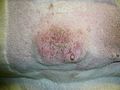 Mammary tumor in a veterinary pathology case
 -
 Mast cell tumor on the lip of a dog
 -
 Chemical structure of Calcitriol


Ad. Transform your health with W8MD Weight Loss, Sleep & MedSpa

Tired of being overweight?
Special offer:
Budget GLP-1 weight loss medications
- Semaglutide starting from $29.99/week and up with insurance for visit of $59.99 and up per week self pay.
- Tirzepatide starting from $45.00/week and up (dose dependent) or $69.99/week and up self pay
✔ Same-week appointments, evenings & weekends
Learn more:
- GLP-1 weight loss clinic NYC
- W8MD's NYC medical weight loss
- W8MD Philadelphia GLP-1 shots
- Philadelphia GLP-1 injections
- Affordable GLP-1 shots NYC
|
WikiMD Medical Encyclopedia |
Medical Disclaimer: WikiMD is for informational purposes only and is not a substitute for professional medical advice. Content may be inaccurate or outdated and should not be used for diagnosis or treatment. Always consult your healthcare provider for medical decisions. Verify information with trusted sources such as CDC.gov and NIH.gov. By using this site, you agree that WikiMD is not liable for any outcomes related to its content. See full disclaimer.
Credits:Most images are courtesy of Wikimedia commons, and templates, categories Wikipedia, licensed under CC BY SA or similar.
Translate this page: - East Asian
中文,
日本,
한국어,
South Asian
हिन्दी,
தமிழ்,
తెలుగు,
Urdu,
ಕನ್ನಡ,
Southeast Asian
Indonesian,
Vietnamese,
Thai,
မြန်မာဘာသာ,
বাংলা
European
español,
Deutsch,
français,
Greek,
português do Brasil,
polski,
română,
русский,
Nederlands,
norsk,
svenska,
suomi,
Italian
Middle Eastern & African
عربى,
Turkish,
Persian,
Hebrew,
Afrikaans,
isiZulu,
Kiswahili,
Other
Bulgarian,
Hungarian,
Czech,
Swedish,
മലയാളം,
मराठी,
ਪੰਜਾਬੀ,
ગુજરાતી,
Portuguese,
Ukrainian
