Voacangine
Voacangine is an alkaloid found in the Voacanga africana tree, a plant native to Africa. It is a member of the indole alkaloids family, which are known for their complex structures and wide range of biological activities. Voacangine has been studied for its potential medicinal properties, including its use as a precursor in the synthesis of ibogaine, a psychoactive compound used in the treatment of substance abuse disorders.
Chemical Structure and Properties[edit]
Voacangine is a monoterpenoid indole alkaloid. Its chemical structure consists of a tryptamine unit, a secologanin unit, and a methoxy group. The compound is a white crystalline solid at room temperature and is soluble in organic solvents such as ethanol and chloroform.
Biological Activity[edit]
Voacangine exhibits a variety of biological activities. It has been found to have antimicrobial properties, inhibiting the growth of certain bacteria and fungi. It also shows antioxidant activity, neutralizing harmful free radicals in the body. Furthermore, voacangine has been studied for its potential antitumor effects.
Medical Use[edit]
One of the most significant uses of voacangine is its role as a precursor in the synthesis of ibogaine. Ibogaine is a psychoactive compound that has been used in the treatment of substance abuse disorders, particularly opioid addiction. The conversion of voacangine to ibogaine is a complex process that involves several chemical reactions.
Safety and Toxicity[edit]
Like many alkaloids, voacangine can be toxic in high doses. Symptoms of voacangine poisoning can include nausea, vomiting, and hallucinations. It is important to use voacangine and other alkaloids responsibly and under the guidance of a healthcare professional.
See Also[edit]


Voacangine[edit]
-
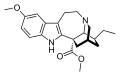 Voacangine chemical structure
 -
 Late-stage voacangine biosynthesis


Ad. Transform your life with W8MD's
GLP-1 weight loss injections special from $29.99 with insurance
|
WikiMD Medical Encyclopedia |
Medical Disclaimer: WikiMD is for informational purposes only and is not a substitute for professional medical advice. Content may be inaccurate or outdated and should not be used for diagnosis or treatment. Always consult your healthcare provider for medical decisions. Verify information with trusted sources such as CDC.gov and NIH.gov. By using this site, you agree that WikiMD is not liable for any outcomes related to its content. See full disclaimer.
Credits:Most images are courtesy of Wikimedia commons, and templates, categories Wikipedia, licensed under CC BY SA or similar.
Translate this page: - East Asian
中文,
日本,
한국어,
South Asian
हिन्दी,
தமிழ்,
తెలుగు,
Urdu,
ಕನ್ನಡ,
Southeast Asian
Indonesian,
Vietnamese,
Thai,
မြန်မာဘာသာ,
বাংলা
European
español,
Deutsch,
français,
Greek,
português do Brasil,
polski,
română,
русский,
Nederlands,
norsk,
svenska,
suomi,
Italian
Middle Eastern & African
عربى,
Turkish,
Persian,
Hebrew,
Afrikaans,
isiZulu,
Kiswahili,
Other
Bulgarian,
Hungarian,
Czech,
Swedish,
മലയാളം,
मराठी,
ਪੰਜਾਬੀ,
ગુજરાતી,
Portuguese,
Ukrainian
