Difemetorex
Difemetorex (INN), also known as diphemethoxidine, is a stimulant drug of the phenethylamine and piperidine classes that was developed in the 1960s but was never marketed. It is a norepinephrine-dopamine reuptake inhibitor with central nervous system (CNS) stimulating properties similar to amphetamines, although its pharmacological profile is somewhat different.
Pharmacology[edit]
Difemetorex acts primarily as a norepinephrine-dopamine reuptake inhibitor, increasing the levels of the neurotransmitters norepinephrine and dopamine in the synaptic cleft and leading to increased stimulation of the central nervous system. Unlike some other stimulants, which release stored monoamines, difemetorex inhibits their reuptake, prolonging their action.
Chemistry[edit]
Difemetorex is a member of the phenethylamine and piperidine chemical classes. Its chemical structure is related to other stimulant drugs such as amphetamine and methylphenidate, but it incorporates a piperidine ring, distinguishing it from the more common phenethylamine structure of amphetamines.
History[edit]
Developed in the 1960s, difemetorex was investigated for potential medical use, particularly in the treatment of obesity and attention deficit hyperactivity disorder (ADHD) due to its stimulant properties. However, due to concerns about its potential for abuse and adverse effects, it was never approved for medical use and did not reach the market.
Legal Status[edit]
The legal status of difemetorex varies by country, but it is generally classified as a controlled substance due to its similarity to other stimulant drugs, which are known to have a high potential for abuse and dependence.
Potential Uses and Research[edit]
While difemetorex itself is not used medically, research into its effects and mechanism of action has contributed to the understanding of stimulant drugs and their potential therapeutic applications. Studies on difemetorex and related compounds may inform the development of new treatments for conditions such as ADHD and narcolepsy, where stimulant medications are a key part of management.
See Also[edit]
References[edit]

-
 Diagram of Difemetorex molecule
 -
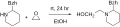 Synthesis pathway of Difemetorex


Ad. Transform your health with W8MD Weight Loss, Sleep & MedSpa

Tired of being overweight?
Get started with evidence based, physician-supervised
affordable GLP-1 weight loss injections
Now available in New York City and Philadelphia:
- Semaglutide starting from $59.99/week and up
- Tirzepatide starting from $69.99/week and up (dose dependent)
✔ Evidence-based medical weight loss ✔ Insurance-friendly visits available ✔ Same-week appointments, evenings & weekends
Learn more:
Start your transformation today with W8MD weight loss centers.
|
WikiMD Medical Encyclopedia |
Medical Disclaimer: WikiMD is for informational purposes only and is not a substitute for professional medical advice. Content may be inaccurate or outdated and should not be used for diagnosis or treatment. Always consult your healthcare provider for medical decisions. Verify information with trusted sources such as CDC.gov and NIH.gov. By using this site, you agree that WikiMD is not liable for any outcomes related to its content. See full disclaimer.
Credits:Most images are courtesy of Wikimedia commons, and templates, categories Wikipedia, licensed under CC BY SA or similar.
Translate this page: - East Asian
中文,
日本,
한국어,
South Asian
हिन्दी,
தமிழ்,
తెలుగు,
Urdu,
ಕನ್ನಡ,
Southeast Asian
Indonesian,
Vietnamese,
Thai,
မြန်မာဘာသာ,
বাংলা
European
español,
Deutsch,
français,
Greek,
português do Brasil,
polski,
română,
русский,
Nederlands,
norsk,
svenska,
suomi,
Italian
Middle Eastern & African
عربى,
Turkish,
Persian,
Hebrew,
Afrikaans,
isiZulu,
Kiswahili,
Other
Bulgarian,
Hungarian,
Czech,
Swedish,
മലയാളം,
मराठी,
ਪੰਜਾਬੀ,
ગુજરાતી,
Portuguese,
Ukrainian
