Vaccine hesitancy
Vaccine Hesitancy[edit]
Vaccine hesitancy refers to the delay in acceptance or refusal of vaccinations despite availability of vaccination services. It is a complex issue influenced by factors such as complacency, convenience, and confidence. Vaccine hesitancy is recognized by the World Health Organization (WHO) as one of the top ten threats to global health.
History[edit]
The history of vaccine hesitancy dates back to the introduction of the first vaccines. Edward Jenner's development of the smallpox vaccine in the late 18th century faced opposition from some quarters. The Anti-vaccination movement has evolved over the centuries, with various groups opposing vaccines for different reasons, including religious beliefs, personal beliefs, and safety concerns.
Factors Influencing Vaccine Hesitancy[edit]
Complacency[edit]
Complacency occurs when the perceived risks of vaccine-preventable diseases are low, leading individuals to believe that vaccination is unnecessary. This is often seen in regions where successful vaccination programs have reduced the prevalence of diseases.
Convenience[edit]
Convenience refers to the availability, affordability, and accessibility of vaccines. Barriers such as distance to healthcare facilities, cost, and time can contribute to vaccine hesitancy.
Confidence[edit]
Confidence in vaccines is influenced by trust in the effectiveness and safety of vaccines, the system that delivers them, and the motivations of policymakers. Misinformation and disinformation can erode public confidence in vaccines.
Impact[edit]
Vaccine hesitancy can lead to outbreaks of vaccine-preventable diseases. For example, the measles outbreaks in the United States and Europe have been linked to declining vaccination rates. The resurgence of diseases like diphtheria and pertussis in certain areas has also been attributed to vaccine hesitancy.
Strategies to Address Vaccine Hesitancy[edit]
Efforts to combat vaccine hesitancy include public education campaigns, improving access to vaccines, and engaging with communities to build trust. The WHO and other organizations advocate for tailored strategies that address the specific concerns and barriers faced by different populations.
Related Pages[edit]
References[edit]
- World Health Organization. (2019). Ten threats to global health in 2019. Retrieved from [1]
- MacDonald, N. E. (2015). Vaccine hesitancy: Definition, scope and determinants. Vaccine, 33(34), 4161-4164.
Gallery[edit]
-
 Anti-vaccination protest in Leicester, 2021
 -
 Measles cases in the US, 1938-2019
 -
 Charlotte Cleverley-Bisman, a meningococcal disease survivor
 -
 President Ford receiving a swine flu inoculation
 -
 Global agreement on the importance of vaccines for children
 -
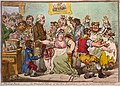 "The Cow Pock" by James Gillray, satirizing early vaccination
 -
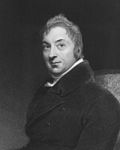 Edward Jenner, pioneer of the smallpox vaccine
 -
 Child affected by the Gloucester smallpox epidemic, 1896
 -
 "Diphtheria is Deadly" poster
 -
 COVID-19 death rates by county
 -
 Antivax protest in London
 -
 GAVI Global Alliance conference
 -
 US measles cases, 2015
 -
 Video: Ovidiu Covaciu on vaccine hesitancy


),_OWID.svg)


.jpg)

Ad. Transform your life with W8MD's
GLP-1 weight loss injections special from $29.99 with insurance
|
WikiMD Medical Encyclopedia |
Medical Disclaimer: WikiMD is for informational purposes only and is not a substitute for professional medical advice. Content may be inaccurate or outdated and should not be used for diagnosis or treatment. Always consult your healthcare provider for medical decisions. Verify information with trusted sources such as CDC.gov and NIH.gov. By using this site, you agree that WikiMD is not liable for any outcomes related to its content. See full disclaimer.
Credits:Most images are courtesy of Wikimedia commons, and templates, categories Wikipedia, licensed under CC BY SA or similar.
Translate this page: - East Asian
中文,
日本,
한국어,
South Asian
हिन्दी,
தமிழ்,
తెలుగు,
Urdu,
ಕನ್ನಡ,
Southeast Asian
Indonesian,
Vietnamese,
Thai,
မြန်မာဘာသာ,
বাংলা
European
español,
Deutsch,
français,
Greek,
português do Brasil,
polski,
română,
русский,
Nederlands,
norsk,
svenska,
suomi,
Italian
Middle Eastern & African
عربى,
Turkish,
Persian,
Hebrew,
Afrikaans,
isiZulu,
Kiswahili,
Other
Bulgarian,
Hungarian,
Czech,
Swedish,
മലയാളം,
मराठी,
ਪੰਜਾਬੀ,
ગુજરાતી,
Portuguese,
Ukrainian
