Articulation of head of rib
Aqueductal Stenosis
Aqueductal stenosis is a condition characterized by the narrowing of the cerebral aqueduct, which is a channel that connects the third ventricle to the fourth ventricle in the brain. This narrowing can lead to an obstruction of the flow of cerebrospinal fluid (CSF), resulting in a condition known as hydrocephalus.
Anatomy and Physiology
The cerebral aqueduct, also known as the aqueduct of Sylvius, is a slender canal located within the midbrain. It is part of the ventricular system of the brain, which is responsible for the production, transport, and removal of cerebrospinal fluid. The aqueduct is approximately 1.5 mm in diameter and is crucial for the passage of CSF from the third to the fourth ventricle.
Pathophysiology
Aqueductal stenosis can be congenital or acquired. Congenital aqueductal stenosis is often due to developmental anomalies, such as aqueductal webs or atresia. Acquired stenosis may result from infections, hemorrhage, or tumors that compress or invade the aqueduct.
The obstruction of CSF flow leads to increased pressure within the ventricular system, causing the ventricles to enlarge. This condition, known as hydrocephalus, can result in increased intracranial pressure, which may cause symptoms such as headaches, nausea, vomiting, and in severe cases, brain herniation.
Clinical Presentation
Patients with aqueductal stenosis may present with a variety of symptoms depending on the age of onset and the severity of the obstruction. In infants, it may cause an increase in head size, irritability, and poor feeding. In older children and adults, symptoms may include headaches, nausea, vomiting, balance problems, and cognitive difficulties.
Diagnosis
Diagnosis of aqueductal stenosis is typically made using neuroimaging techniques such as MRI or CT scan. These imaging modalities can reveal the enlargement of the ventricles and the narrowing of the aqueduct.
Treatment
The primary treatment for aqueductal stenosis is surgical intervention to relieve the obstruction and restore normal CSF flow. This can be achieved through procedures such as endoscopic third ventriculostomy (ETV) or the placement of a ventriculoperitoneal shunt. ETV involves creating an opening in the floor of the third ventricle to allow CSF to bypass the obstruction, while a shunt diverts excess fluid to another part of the body where it can be absorbed.
Related Pages
Gallery
-
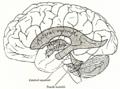 Diagram of the ventricular system showing the cerebral aqueduct.
 -
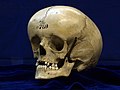 Image of a hydrocephalic brain.
 -
 Animation of the third ventricle.
 -
 Animation of the fourth ventricle.


Ad. Transform your life with W8MD's Budget GLP-1 injections from $75


W8MD offers a medical weight loss program to lose weight in Philadelphia. Our physician-supervised medical weight loss provides:
- Weight loss injections in NYC (generic and brand names):
- Zepbound / Mounjaro, Wegovy / Ozempic, Saxenda
- Most insurances accepted or discounted self-pay rates. We will obtain insurance prior authorizations if needed.
- Generic GLP1 weight loss injections from $75 for the starting dose.
- Also offer prescription weight loss medications including Phentermine, Qsymia, Diethylpropion, Contrave etc.
NYC weight loss doctor appointmentsNYC weight loss doctor appointments
Start your NYC weight loss journey today at our NYC medical weight loss and Philadelphia medical weight loss clinics.
- Call 718-946-5500 to lose weight in NYC or for medical weight loss in Philadelphia 215-676-2334.
- Tags:NYC medical weight loss, Philadelphia lose weight Zepbound NYC, Budget GLP1 weight loss injections, Wegovy Philadelphia, Wegovy NYC, Philadelphia medical weight loss, Brookly weight loss and Wegovy NYC


|
WikiMD's Wellness Encyclopedia |
| Let Food Be Thy Medicine Medicine Thy Food - Hippocrates |
Medical Disclaimer: WikiMD is not a substitute for professional medical advice. The information on WikiMD is provided as an information resource only, may be incorrect, outdated or misleading, and is not to be used or relied on for any diagnostic or treatment purposes. Please consult your health care provider before making any healthcare decisions or for guidance about a specific medical condition. WikiMD expressly disclaims responsibility, and shall have no liability, for any damages, loss, injury, or liability whatsoever suffered as a result of your reliance on the information contained in this site. By visiting this site you agree to the foregoing terms and conditions, which may from time to time be changed or supplemented by WikiMD. If you do not agree to the foregoing terms and conditions, you should not enter or use this site. See full disclaimer.
Credits:Most images are courtesy of Wikimedia commons, and templates, categories Wikipedia, licensed under CC BY SA or similar.
Translate this page: - East Asian
中文,
日本,
한국어,
South Asian
हिन्दी,
தமிழ்,
తెలుగు,
Urdu,
ಕನ್ನಡ,
Southeast Asian
Indonesian,
Vietnamese,
Thai,
မြန်မာဘာသာ,
বাংলা
European
español,
Deutsch,
français,
Greek,
português do Brasil,
polski,
română,
русский,
Nederlands,
norsk,
svenska,
suomi,
Italian
Middle Eastern & African
عربى,
Turkish,
Persian,
Hebrew,
Afrikaans,
isiZulu,
Kiswahili,
Other
Bulgarian,
Hungarian,
Czech,
Swedish,
മലയാളം,
मराठी,
ਪੰਜਾਬੀ,
ગુજરાતી,
Portuguese,
Ukrainian
