Disc herniation

Editor-In-Chief: Prab R Tumpati, MD
Obesity, Sleep & Internal medicine
Founder, WikiMD Wellnesspedia &
W8MD's medical weight loss NYC, sleep center NYC
Philadelphia medical weight loss and Philadelphia sleep clinics
| Disc herniation | |
|---|---|

| |
| Synonyms | Slipped disc, ruptured disc |
| Pronounce | N/A |
| Specialty | N/A |
| Symptoms | Back pain, leg pain, numbness, tingling, muscle weakness |
| Complications | Cauda equina syndrome, chronic pain |
| Onset | Typically between ages 30 and 50 |
| Duration | Variable |
| Types | N/A |
| Causes | Degenerative disc disease, trauma, lifting injuries |
| Risks | Obesity, sedentary lifestyle, smoking, genetic factors |
| Diagnosis | Physical examination, MRI, CT scan |
| Differential diagnosis | Spinal stenosis, sciatica, muscle strain |
| Prevention | N/A |
| Treatment | Physical therapy, medication, surgery |
| Medication | NSAIDs, muscle relaxants, steroids |
| Prognosis | Generally good with treatment |
| Frequency | Common |
| Deaths | N/A |
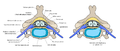
Disc herniation is a medical condition that occurs when the inner core of a disc in the spine leaks out through the disc's outer layer. This can cause pain and other symptoms, depending on the location of the herniation and the type of tissue that becomes involved.
Causes
Disc herniation is often the result of a gradual, aging-related wear and tear called disc degeneration. As you age, your spinal discs lose some of their water content, which makes them less flexible and more prone to tearing or rupturing with even a minor strain or twist. Most people can't pinpoint the exact cause of their herniated disc.
Symptoms
Symptoms of a herniated disc can vary greatly depending on the location of the herniation and your own response to pain. If the herniated disc is not pressing on a nerve, you may experience a low backache or no pain at all. If it is pressing on a nerve, you may have pain, numbness or weakness in the area of the body to which the nerve travels.
Diagnosis
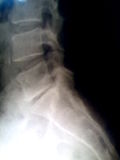
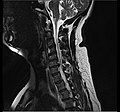
Diagnosis of disc herniation is typically made through a physical examination and imaging tests. During the physical exam, your doctor will check your back for tenderness and may ask you to lie flat and move your legs in certain ways to determine the cause of your pain.
Treatment
Treatment for disc herniation depends on the severity of your symptoms. For many people, symptoms improve over time with conservative treatment, such as medication and physical therapy. Surgery may be recommended if conservative treatments fail or if you have severe pain, weakness or numbness that makes it difficult to perform basic activities.
Gallery
-
 Disc herniation
 -
 Disc herniation
 -
 Disc herniation
 -
 Disc herniation
 -
 Disc herniation
 -
 Disc herniation
 -
 Disc herniation
 -
 Disc herniation
 -
 Disc herniation
 -
 Disc herniation
 -
 Disc herniation


See also
References
<references />


Ad. Transform your life with W8MD's
GLP-1 weight loss injections special from $29.99


W8MD Medical Weight Loss, Sleep and Medspa offers physician-supervised medical weight loss programs: NYC medical weight loss Philadelphia medical weight loss
Affordable GLP-1 Weight Loss ShotsAffordable GLP-1 Weight Loss Shots
Budget GLP-1 injections NYC (insurance & self-pay options) Popular treatments:
- Semaglutide starting from $29.99/week
- Tirzepatide starting from $45.00/week
✔ Most insurances accepted for visits ✔ Prior authorization support when eligible
Start your physician weight loss NYC journey today:
📍 NYC: Brooklyn weight loss center 📍 Philadelphia: Philadelphia weight loss center
📞 Call: 718-946-5500 (NYC) | 215-676-2334 (Philadelphia)
Tags: Affordable GLP1 weight loss NYC, Wegovy NYC, Zepbound NYC, Philadelphia medical weight loss


|
WikiMD Medical Encyclopedia |
Medical Disclaimer: WikiMD is not a substitute for professional medical advice. The information on WikiMD is provided as an information resource only, may be incorrect, outdated or misleading, and is not to be used or relied on for any diagnostic or treatment purposes. Please consult your health care provider before making any healthcare decisions or for guidance about a specific medical condition. WikiMD expressly disclaims responsibility, and shall have no liability, for any damages, loss, injury, or liability whatsoever suffered as a result of your reliance on the information contained in this site. By visiting this site you agree to the foregoing terms and conditions, which may from time to time be changed or supplemented by WikiMD. If you do not agree to the foregoing terms and conditions, you should not enter or use this site. See full disclaimer.
Credits:Most images are courtesy of Wikimedia commons, and templates, categories Wikipedia, licensed under CC BY SA or similar.
Translate this page: - East Asian
中文,
日本,
한국어,
South Asian
हिन्दी,
தமிழ்,
తెలుగు,
Urdu,
ಕನ್ನಡ,
Southeast Asian
Indonesian,
Vietnamese,
Thai,
မြန်မာဘာသာ,
বাংলা
European
español,
Deutsch,
français,
Greek,
português do Brasil,
polski,
română,
русский,
Nederlands,
norsk,
svenska,
suomi,
Italian
Middle Eastern & African
عربى,
Turkish,
Persian,
Hebrew,
Afrikaans,
isiZulu,
Kiswahili,
Other
Bulgarian,
Hungarian,
Czech,
Swedish,
മലയാളം,
मराठी,
ਪੰਜਾਬੀ,
ગુજરાતી,
Portuguese,
Ukrainian
