Cystinosis

Editor-In-Chief: Prab R Tumpati, MD
Obesity, Sleep & Internal medicine
Founder, WikiMD Wellnesspedia &
W8MD's medical weight loss NYC, sleep center NYC
Philadelphia medical weight loss and Philadelphia sleep clinics
| Cystinosis | |
|---|---|

| |
| Synonyms | N/A |
| Pronounce | N/A |
| Specialty | N/A |
| Symptoms | Fanconi syndrome, growth retardation, photophobia, renal failure |
| Complications | Kidney failure, hypothyroidism, diabetes mellitus, muscle wasting |
| Onset | Infancy |
| Duration | Lifelong |
| Types | Nephropathic cystinosis, Intermediate cystinosis, Ocular cystinosis |
| Causes | Mutations in the CTNS gene |
| Risks | Autosomal recessive inheritance |
| Diagnosis | Genetic testing, corneal cystine crystal examination |
| Differential diagnosis | Fanconi syndrome, cystinuria, other metabolic disorders |
| Prevention | N/A |
| Treatment | Cysteamine, kidney transplantation, symptomatic treatment |
| Medication | Cysteamine |
| Prognosis | Variable, depends on treatment |
| Frequency | 1 in 100,000 to 200,000 live births |
| Deaths | N/A |
Cystinosis
Cystinosis is a rare, inherited metabolic disorder characterized by the accumulation of the amino acid cystine within lysosomes, leading to cellular damage. This condition primarily affects the kidneys and eyes, but can also impact other organs and tissues.
Pathophysiology
Cystinosis is caused by mutations in the CTNS gene, which encodes the protein cystinosin. Cystinosin is responsible for transporting cystine out of lysosomes. When this transport is impaired, cystine accumulates, forming crystals that can cause cellular dysfunction and damage.
Types of Cystinosis
Cystinosis is classified into three main types based on the age of onset and severity of symptoms:
Nephropathic Cystinosis
This is the most common and severe form, typically presenting in infancy. It is characterized by renal tubular Fanconi syndrome, leading to excessive loss of water, sodium, potassium, and other substances in the urine.
Intermediate Cystinosis
Also known as juvenile or adolescent cystinosis, this form presents later in childhood or adolescence. It is less severe than nephropathic cystinosis but can still lead to significant kidney damage over time.
Ocular Cystinosis
This form primarily affects the eyes, causing photophobia and corneal crystal deposits. It usually presents in adulthood and does not typically involve kidney dysfunction.
Clinical Manifestations
Renal Symptoms
- Fanconi Syndrome: Characterized by polyuria, polydipsia, and growth retardation due to renal tubular dysfunction. - Chronic Kidney Disease: Progressive renal impairment leading to end-stage renal disease if untreated.
Ocular Symptoms
- Photophobia: Sensitivity to light due to corneal cystine crystal deposits. - Corneal Crystals: Visible deposits in the cornea that can be detected by slit-lamp examination.
Other Symptoms
- Hypothyroidism: Due to cystine accumulation in the thyroid gland. - Diabetes Mellitus: Resulting from pancreatic involvement. - Muscle Weakness: Due to cystine accumulation in muscle tissue.
Diagnosis
Diagnosis of cystinosis is based on clinical presentation, family history, and laboratory tests. Measurement of cystine levels in leukocytes is a key diagnostic test. Genetic testing can confirm mutations in the CTNS gene.
Treatment
Cysteamine Therapy
Cysteamine is the primary treatment for cystinosis. It reduces cystine accumulation by converting cystine into cysteine and cysteine-cysteamine mixed disulfide, which can exit the lysosome.
Supportive Care
- Renal Replacement Therapy: Dialysis or kidney transplantation for end-stage renal disease. - Electrolyte Replacement: To manage Fanconi syndrome. - Ocular Drops: Cysteamine eye drops to reduce corneal crystal deposits.
Prognosis
With early diagnosis and treatment, individuals with cystinosis can have improved outcomes. However, untreated cystinosis can lead to significant morbidity and mortality due to renal failure and other complications.
Gallery
-
 Cystinosis
 -
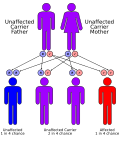 Cystinosis


See Also
- Lysosomal storage disease - Fanconi syndrome - End-stage renal disease
Ad. Transform your health with W8MD Weight Loss, Sleep & MedSpa

Tired of being overweight?
Get started with evidence based, physician-supervised
affordable GLP-1 weight loss injections
Now available in New York City and Philadelphia:
- Semaglutide starting from $59.99/week and up
- Tirzepatide starting from $69.99/week and up (dose dependent)
✔ Evidence-based medical weight loss ✔ Insurance-friendly visits available ✔ Same-week appointments, evenings & weekends
Learn more:
Start your transformation today with W8MD weight loss centers.
|
WikiMD Medical Encyclopedia |
Medical Disclaimer: WikiMD is for informational purposes only and is not a substitute for professional medical advice. Content may be inaccurate or outdated and should not be used for diagnosis or treatment. Always consult your healthcare provider for medical decisions. Verify information with trusted sources such as CDC.gov and NIH.gov. By using this site, you agree that WikiMD is not liable for any outcomes related to its content. See full disclaimer.
Credits:Most images are courtesy of Wikimedia commons, and templates, categories Wikipedia, licensed under CC BY SA or similar.
Translate this page: - East Asian
中文,
日本,
한국어,
South Asian
हिन्दी,
தமிழ்,
తెలుగు,
Urdu,
ಕನ್ನಡ,
Southeast Asian
Indonesian,
Vietnamese,
Thai,
မြန်မာဘာသာ,
বাংলা
European
español,
Deutsch,
français,
Greek,
português do Brasil,
polski,
română,
русский,
Nederlands,
norsk,
svenska,
suomi,
Italian
Middle Eastern & African
عربى,
Turkish,
Persian,
Hebrew,
Afrikaans,
isiZulu,
Kiswahili,
Other
Bulgarian,
Hungarian,
Czech,
Swedish,
മലയാളം,
मराठी,
ਪੰਜਾਬੀ,
ગુજરાતી,
Portuguese,
Ukrainian
