Desert


Desert is a large, dry, and often sandy region of land that receives very little rainfall. Deserts can be found all over the world, and they are characterized by their harsh conditions and lack of vegetation. Despite these conditions, deserts are home to a variety of plant and animal species that have adapted to survive in such an environment.
Characteristics
Deserts are defined by their lack of precipitation. They receive less than 250 millimeters of rain per year, which is significantly less than most other types of ecosystems. This lack of water makes deserts some of the harshest environments on Earth. The soil in deserts is often sandy or rocky, and there is little organic material to support plant life.
Types of Deserts
There are four main types of deserts: hot and dry deserts, semiarid deserts, coastal deserts, and cold deserts. Each of these types of deserts has its own unique characteristics and species of plants and animals.
Flora and Fauna
Despite the harsh conditions, many species of plants and animals have adapted to live in deserts. These species have developed unique adaptations to survive in the extreme conditions of the desert. For example, many desert plants have thick, waxy leaves to prevent water loss, and many desert animals are nocturnal to avoid the heat of the day.
Human Interaction
Humans have lived in and around deserts for thousands of years. Many ancient civilizations, such as the Egyptians and the Romans, were located near deserts and used them for trade and transportation. Today, many people still live in desert regions, and they have developed ways to survive and thrive in these harsh environments.
Gallery
-
 Desert
 -
 Desert
 -
 Desert
 -
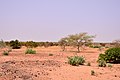 Desert
 -
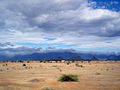 Desert
 -
 Desert

.jpg)


See Also

Ad. Transform your life with W8MD's
GLP-1 weight loss injections special from $29.99 with insurance
|
WikiMD Medical Encyclopedia |
Medical Disclaimer: WikiMD is for informational purposes only and is not a substitute for professional medical advice. Content may be inaccurate or outdated and should not be used for diagnosis or treatment. Always consult your healthcare provider for medical decisions. Verify information with trusted sources such as CDC.gov and NIH.gov. By using this site, you agree that WikiMD is not liable for any outcomes related to its content. See full disclaimer.
Credits:Most images are courtesy of Wikimedia commons, and templates, categories Wikipedia, licensed under CC BY SA or similar.
Translate this page: - East Asian
中文,
日本,
한국어,
South Asian
हिन्दी,
தமிழ்,
తెలుగు,
Urdu,
ಕನ್ನಡ,
Southeast Asian
Indonesian,
Vietnamese,
Thai,
မြန်မာဘာသာ,
বাংলা
European
español,
Deutsch,
français,
Greek,
português do Brasil,
polski,
română,
русский,
Nederlands,
norsk,
svenska,
suomi,
Italian
Middle Eastern & African
عربى,
Turkish,
Persian,
Hebrew,
Afrikaans,
isiZulu,
Kiswahili,
Other
Bulgarian,
Hungarian,
Czech,
Swedish,
മലയാളം,
मराठी,
ਪੰਜਾਬੀ,
ગુજરાતી,
Portuguese,
Ukrainian
