Biological pest control
Biological pest control is a method of controlling pests such as insects, mites, weeds and plant diseases using other organisms. It relies on predation, parasitism, herbivory, or other natural mechanisms, but typically also involves an active human management role. It can be an important component of integrated pest management (IPM) programs.
Introduction
Biological control involves the use of living organisms to reduce or eliminate populations of unwanted pests, thereby reducing the need for chemical pesticides. The organisms used in biological control, known as biological control agents, include predators, parasitoids, and pathogens that attack insect pests and weeds.
Types of Biological Control Agents
Predators
Predators are organisms that hunt, kill, and consume their prey. Examples include lady beetles and lacewings which consume aphids, and spiders that prey on various insect pests.
Parasitoids
Parasitoids are insects that lay their eggs on or in the body of an insect host, which is then used as a food source for the developing larvae. The host is eventually killed. Common examples include certain species of wasps and flies.
Pathogens
Pathogens are disease-causing organisms including bacteria, viruses, and fungi that infect and kill pests. For example, Bacillus thuringiensis, a bacterium, produces toxins lethal to certain insects.
Weed Control
Biological weed control involves the use of specific insects, mites, or other organisms to combat invasive weeds. For instance, the release of specific beetles to control purple loosestrife has been successful in some areas.
Advantages and Disadvantages
Advantages
Biological pest control is environmentally friendly, reducing the use of chemical pesticides and the associated risks to human health and the environment. It can provide a long-term solution to pest problems by establishing a balance between pest and predator populations.
Disadvantages
There are also challenges, including the potential for the control agents to become invasive species themselves, difficulty in maintaining the balance between pest and predator populations, and the slower action of biological methods compared to chemical pesticides.
Applications
Biological pest control is used in agriculture, horticulture, forestry, and urban pest management. It can be particularly effective in greenhouses and in integrated pest management systems where chemical use is minimized.
Future Directions
Research continues into improving the efficacy and range of biological control methods. This includes genetic modification of control agents to enhance their effectiveness and the development of new techniques for mass rearing and distribution of these organisms.
See Also

-
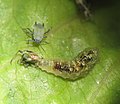 Syrphid maggot
 -
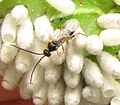 Cotesia
 -
 Larvae feeding on cacti
 -
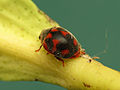 Vedalia Beetle
 -
 Alternanthera philoxeroides
 -
 Lady bugs are a beneficial insect commonly sold for biological control of aphids
 -
 Dermaptera flowerpot
 -
 Chrysopidae
 -
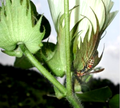 Polistes wasp
 -
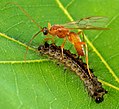 Aleiodes indiscretus wasp parasitizing gypsy moth caterpillar
 -
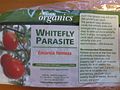 Encarsia formosa, an endoparasitic wasp, is used for whitefly control
 -
 Wasp cycle


.jpg)


Ad. Transform your health with W8MD Weight Loss, Sleep & MedSpa

Tired of being overweight?
Get started with evidence based, physician-supervised
affordable GLP-1 weight loss injections
Now available in New York City and Philadelphia:
- Semaglutide starting from $59.99/week and up
- Tirzepatide starting from $69.99/week and up (dose dependent)
✔ Evidence-based medical weight loss ✔ Insurance-friendly visits available ✔ Same-week appointments, evenings & weekends
Learn more:
Start your transformation today with W8MD weight loss centers.
|
WikiMD Medical Encyclopedia |
Medical Disclaimer: WikiMD is for informational purposes only and is not a substitute for professional medical advice. Content may be inaccurate or outdated and should not be used for diagnosis or treatment. Always consult your healthcare provider for medical decisions. Verify information with trusted sources such as CDC.gov and NIH.gov. By using this site, you agree that WikiMD is not liable for any outcomes related to its content. See full disclaimer.
Credits:Most images are courtesy of Wikimedia commons, and templates, categories Wikipedia, licensed under CC BY SA or similar.
Translate this page: - East Asian
中文,
日本,
한국어,
South Asian
हिन्दी,
தமிழ்,
తెలుగు,
Urdu,
ಕನ್ನಡ,
Southeast Asian
Indonesian,
Vietnamese,
Thai,
မြန်မာဘာသာ,
বাংলা
European
español,
Deutsch,
français,
Greek,
português do Brasil,
polski,
română,
русский,
Nederlands,
norsk,
svenska,
suomi,
Italian
Middle Eastern & African
عربى,
Turkish,
Persian,
Hebrew,
Afrikaans,
isiZulu,
Kiswahili,
Other
Bulgarian,
Hungarian,
Czech,
Swedish,
മലയാളം,
मराठी,
ਪੰਜਾਬੀ,
ગુજરાતી,
Portuguese,
Ukrainian
