Methyltransferase
Methyltransferase is a type of enzyme responsible for the transfer of a methyl group from a donor, typically S-adenosyl methionine (SAM), to an acceptor molecule. Methyltransferases play a crucial role in various biological processes, including DNA methylation, RNA methylation, protein methylation, and the modification of small molecules. These enzymes are involved in the regulation of gene expression, protein function, and the metabolism of drugs and toxins. Their activity is essential for normal development, cellular differentiation, and the maintenance of genomic integrity.
Types of Methyltransferases
Methyltransferases can be broadly classified based on their target molecules:
- DNA Methyltransferases (DNMTs): These enzymes catalyze the transfer of methyl groups to DNA, typically at the 5-position of cytosine rings in the context of CpG dinucleotides, leading to gene silencing. DNMTs are key players in epigenetics, affecting gene expression without altering the DNA sequence.
- RNA Methyltransferases: These enzymes modify RNA molecules, including messenger RNA (mRNA), transfer RNA (tRNA), and ribosomal RNA (rRNA), which can affect their stability, translation efficiency, and the accuracy of protein synthesis.
- Protein Methyltransferases: These enzymes methylate amino acids in protein substrates, influencing protein-protein interactions, protein stability, and the activation or inactivation of enzyme functions.
- Small Molecule Methyltransferases: These enzymes are involved in the methylation of small molecules, such as hormones, neurotransmitters, and drugs, affecting their metabolism, activity, and the body's response to them.
Function and Mechanism
The primary function of methyltransferases is to transfer a methyl group (-CH3) from the methyl donor, S-adenosyl methionine (SAM), to specific target molecules. This methylation reaction involves the formation of a covalent bond between the methyl group and the acceptor atom, which can be oxygen, nitrogen, or carbon, depending on the type of methyltransferase and the substrate.
Methylation can have diverse effects on the target molecules:
- In DNA, methylation typically leads to the repression of gene expression.
- In RNA, methylation can affect the molecule's stability, structure, and function.
- In proteins, methylation can alter the protein's activity, localization, and interactions with other molecules.
- In small molecules, methylation can modify their pharmacological properties and biological activity.
Clinical Significance
Abnormal methyltransferase activity is associated with various diseases, including cancer, neurodegenerative diseases, and cardiovascular diseases. For example, hypermethylation of tumor suppressor genes by DNMTs can lead to gene silencing and cancer progression. Conversely, hypomethylation can activate oncogenes. In neurodegenerative diseases, such as Alzheimer's disease, abnormal protein methylation has been implicated in the pathogenesis.
Research and Therapeutics
Given their crucial role in many biological processes and disease states, methyltransferases are important targets for drug discovery and therapeutic intervention. Inhibitors of DNMTs, for example, are being explored for the treatment of cancer and other diseases characterized by aberrant methylation patterns.
See Also
References
<references/>

-
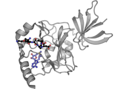 SET7/9 Methyltransferase Structure
 -
 SN2 Mechanism of Methyltransferases
 -
 Histone Methyltransferases
 -
 N-alpha Methyltransferases
 -
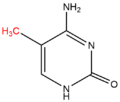 5-Methylcytosine Methyl Highlight
 -
 Phenylethanolamine N-methyltransferase (PNMT)
 -
 Methylxanthin Derivatives
 -
 Non-SAM Methyl Donors


.svg)

Ad. Transform your life with W8MD's
GLP-1 weight loss injections special from $29.99 with insurance
|
WikiMD Medical Encyclopedia |
Medical Disclaimer: WikiMD is for informational purposes only and is not a substitute for professional medical advice. Content may be inaccurate or outdated and should not be used for diagnosis or treatment. Always consult your healthcare provider for medical decisions. Verify information with trusted sources such as CDC.gov and NIH.gov. By using this site, you agree that WikiMD is not liable for any outcomes related to its content. See full disclaimer.
Credits:Most images are courtesy of Wikimedia commons, and templates, categories Wikipedia, licensed under CC BY SA or similar.
Translate this page: - East Asian
中文,
日本,
한국어,
South Asian
हिन्दी,
தமிழ்,
తెలుగు,
Urdu,
ಕನ್ನಡ,
Southeast Asian
Indonesian,
Vietnamese,
Thai,
မြန်မာဘာသာ,
বাংলা
European
español,
Deutsch,
français,
Greek,
português do Brasil,
polski,
română,
русский,
Nederlands,
norsk,
svenska,
suomi,
Italian
Middle Eastern & African
عربى,
Turkish,
Persian,
Hebrew,
Afrikaans,
isiZulu,
Kiswahili,
Other
Bulgarian,
Hungarian,
Czech,
Swedish,
മലയാളം,
मराठी,
ਪੰਜਾਬੀ,
ગુજરાતી,
Portuguese,
Ukrainian
