Balsamic vinegar
Balsamic vinegar is a type of vinegar originating from Italy, specifically the regions of Modena and Reggio Emilia. It is known for its rich, sweet flavor and dark, concentrated appearance.
History
The term "balsamic" derives from the Italian word balsamico, which means "balsam-like" in the sense of "restorative" or "curative". The first documented reference to balsamic vinegar dates back to 1046, when a bottle of balsamic vinegar was reportedly given to Henry III, Holy Roman Emperor as a gift.
Production
Traditional balsamic vinegar is produced from the juice of just-harvested white grapes, typically of the Trebbiano variety. The juice, or "must", is boiled down to approximately 30% of its original volume to create a concentrate, which is then fermented with a slow aging process that concentrates the flavors. The flavor intensifies over the years, with the vinegar being stored in wooden casks, becoming sweet, viscous and very concentrated.
Types
There are three types of balsamic vinegar:
- Traditional Balsamic Vinegar (DOP): This is the highest grade of balsamic vinegar and is produced in a traditional manner. It is aged for a minimum of 12 years and has a complex, sweet and tangy flavor.
- Balsamic Vinegar of Modena (IGP): This type is made in a similar manner to traditional balsamic vinegar, but is aged for a shorter period of time (minimum of two months) and may contain wine vinegar.
- Condiment Grade Balsamic Vinegar: This is the most commercial type of balsamic vinegar. It is often made with wine vinegar and concentrated grape must, and aged for a shorter period of time.
Uses
Balsamic vinegar is often used in cooking, including salad dressings, marinades, and reductions. It is also used in traditional Italian desserts, such as panna cotta and strawberries with balsamic vinegar.
Health Benefits
Balsamic vinegar contains polyphenols, antioxidants that can protect the body from heart disease and cancer. It can also help to regulate blood sugar levels, aid digestion and boost the immune system.
See Also

-
 Traditional Balsamic Vinegars of Modena and Reggio Emilia
 -
 Aceto balsamico oro
 -
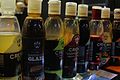 Aceites Balsámicos
 -
 Balsamico Kreta
 -
 Balsamic Vinegar - Product of Greece
 -
 Turkish balsamic vinegar
 -
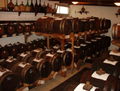 Balsamic vinegar
_and_Reggio_Emilia_(left).jpg)


Ad. Transform your life with W8MD's
GLP-1 weight loss injections special from $29.99 with insurance
|
WikiMD Medical Encyclopedia |
Medical Disclaimer: WikiMD is for informational purposes only and is not a substitute for professional medical advice. Content may be inaccurate or outdated and should not be used for diagnosis or treatment. Always consult your healthcare provider for medical decisions. Verify information with trusted sources such as CDC.gov and NIH.gov. By using this site, you agree that WikiMD is not liable for any outcomes related to its content. See full disclaimer.
Credits:Most images are courtesy of Wikimedia commons, and templates, categories Wikipedia, licensed under CC BY SA or similar.
Translate this page: - East Asian
中文,
日本,
한국어,
South Asian
हिन्दी,
தமிழ்,
తెలుగు,
Urdu,
ಕನ್ನಡ,
Southeast Asian
Indonesian,
Vietnamese,
Thai,
မြန်မာဘာသာ,
বাংলা
European
español,
Deutsch,
français,
Greek,
português do Brasil,
polski,
română,
русский,
Nederlands,
norsk,
svenska,
suomi,
Italian
Middle Eastern & African
عربى,
Turkish,
Persian,
Hebrew,
Afrikaans,
isiZulu,
Kiswahili,
Other
Bulgarian,
Hungarian,
Czech,
Swedish,
മലയാളം,
मराठी,
ਪੰਜਾਬੀ,
ગુજરાતી,
Portuguese,
Ukrainian
