Platter (dishware)
Platter (Dishware)
A platter is a large type of dishware used for serving food. It is typically oval or rectangular in shape and can be made from a variety of materials, including ceramic, glass, metal, and plastic. Platters are often used to serve large portions of food, such as a roast or a whole fish, and are commonly used in both formal and casual dining settings.
History
The use of platters dates back to ancient times. In Ancient Rome, large platters known as patinae were used to serve food during feasts. These were often made from silver or bronze and were sometimes decorated with intricate designs. In the Middle Ages, wooden platters were commonly used, while in the Renaissance period, ceramic and pewter platters became more popular.
Types of Platters
There are many different types of platters, each designed for a specific purpose. Some of the most common types include:
- Serving Platters: These are large, flat dishes used to present and serve food. They can be made from a variety of materials and come in many different shapes and sizes.
- Meat Platters: These are specifically designed for serving large cuts of meat, such as a roast or a turkey. They often have a well around the edge to collect juices.
- Fish Platters: These are long and narrow, designed to accommodate a whole fish.
- Cheese Platters: These are typically round or square and are used to serve a variety of cheeses.
- Fruit Platters: These are often decorative and used to serve a variety of fruits.
Usage
Platters are used in a variety of settings, from formal dinners to casual barbecues. They are often used to serve large portions of food, making them ideal for family meals or parties. In addition to their practical use, platters can also be used as decorative pieces, with many people choosing to display ornate or antique platters in their homes.
Care and Maintenance
The care and maintenance of a platter depend on the material it is made from. For example, ceramic and glass platters can often be washed in the dishwasher, while metal and wooden platters may require hand washing. It is important to always follow the manufacturer's care instructions to ensure the longevity of the platter.
See Also
References
<references />

-
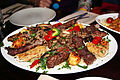 Mix Platter
 -
 Sadya
Sadya -
 Seven Fruits Platter
 -
 Spanish and European Cheeses
 -
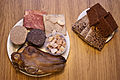 Thorramatur
 -
 Fish Finger Sandwich
 -
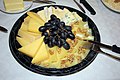 Cheese Platter


.png)


Ad. Transform your health with W8MD Weight Loss, Sleep & MedSpa

Tired of being overweight?
Special offer:
Budget GLP-1 weight loss medications
- Semaglutide starting from $29.99/week and up with insurance for visit of $59.99 and up per week self pay.
- Tirzepatide starting from $45.00/week and up (dose dependent) or $69.99/week and up self pay
✔ Same-week appointments, evenings & weekends
Learn more:
- GLP-1 weight loss clinic NYC
- W8MD's NYC medical weight loss
- W8MD Philadelphia GLP-1 shots
- Philadelphia GLP-1 injections
- Affordable GLP-1 shots NYC
|
WikiMD Medical Encyclopedia |
Medical Disclaimer: WikiMD is for informational purposes only and is not a substitute for professional medical advice. Content may be inaccurate or outdated and should not be used for diagnosis or treatment. Always consult your healthcare provider for medical decisions. Verify information with trusted sources such as CDC.gov and NIH.gov. By using this site, you agree that WikiMD is not liable for any outcomes related to its content. See full disclaimer.
Credits:Most images are courtesy of Wikimedia commons, and templates, categories Wikipedia, licensed under CC BY SA or similar.
Translate this page: - East Asian
中文,
日本,
한국어,
South Asian
हिन्दी,
தமிழ்,
తెలుగు,
Urdu,
ಕನ್ನಡ,
Southeast Asian
Indonesian,
Vietnamese,
Thai,
မြန်မာဘာသာ,
বাংলা
European
español,
Deutsch,
français,
Greek,
português do Brasil,
polski,
română,
русский,
Nederlands,
norsk,
svenska,
suomi,
Italian
Middle Eastern & African
عربى,
Turkish,
Persian,
Hebrew,
Afrikaans,
isiZulu,
Kiswahili,
Other
Bulgarian,
Hungarian,
Czech,
Swedish,
മലയാളം,
मराठी,
ਪੰਜਾਬੀ,
ગુજરાતી,
Portuguese,
Ukrainian
