Tomato
The tomato is a popular fruit that is used as a vegetable in cooking. It is native to South America, and has been cultivated and eaten for thousands of years.
History
The tomato was first domesticated by indigenous people in the Andes Mountains of South America over 2,000 years ago. It was brought to Europe by Spanish explorers in the 16th century, and quickly became popular as a food crop. Despite its popularity, the tomato was initially believed to be poisonous, and was grown primarily for ornamental purposes. It was not until the 18th century that the tomato became widely accepted as a food. Today, the tomato is one of the most popular vegetables in the world, and is used in a variety of cuisines and dishes.
Culinary Uses
Tomatoes are a versatile ingredient that can be used in a variety of dishes. They are commonly used in salads, sandwiches, and pasta dishes, and are a key ingredient in sauces like ketchup and marinara. Tomatoes are also used to make a variety of other foods, including tomato soup, tomato juice, and tomato paste. They are often paired with other ingredients, such as basil or mozzarella, to create a unique and flavorful dish.
Nutritional Value
Tomatoes are a good source of several important nutrients, including vitamin C, potassium, and fiber. They are also low in calories and fat, making them a popular food among people looking to maintain a healthy diet. Tomatoes are also rich in antioxidants, which may help to reduce the risk of certain types of cancer and other diseases.
References
See also
-
 Tomato
 -
 Tomato
 -
 Tomato
 -
 Tomato
 -
 Tomato
 -
 Tomato
 -
 Tomato
 -
 Tomato
 -
 Tomato
 -
 Tomato
 -
 Tomato
 -
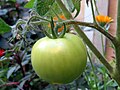 Tomato


(NRCS_Photo_Gallery).jpg)


Ad. Transform your life with W8MD's
GLP-1 weight loss injections special from $29.99 with insurance
|
WikiMD Medical Encyclopedia |
Medical Disclaimer: WikiMD is for informational purposes only and is not a substitute for professional medical advice. Content may be inaccurate or outdated and should not be used for diagnosis or treatment. Always consult your healthcare provider for medical decisions. Verify information with trusted sources such as CDC.gov and NIH.gov. By using this site, you agree that WikiMD is not liable for any outcomes related to its content. See full disclaimer.
Credits:Most images are courtesy of Wikimedia commons, and templates, categories Wikipedia, licensed under CC BY SA or similar.
Translate this page: - East Asian
中文,
日本,
한국어,
South Asian
हिन्दी,
தமிழ்,
తెలుగు,
Urdu,
ಕನ್ನಡ,
Southeast Asian
Indonesian,
Vietnamese,
Thai,
မြန်မာဘာသာ,
বাংলা
European
español,
Deutsch,
français,
Greek,
português do Brasil,
polski,
română,
русский,
Nederlands,
norsk,
svenska,
suomi,
Italian
Middle Eastern & African
عربى,
Turkish,
Persian,
Hebrew,
Afrikaans,
isiZulu,
Kiswahili,
Other
Bulgarian,
Hungarian,
Czech,
Swedish,
മലയാളം,
मराठी,
ਪੰਜਾਬੀ,
ગુજરાતી,
Portuguese,
Ukrainian
