Disc herniation: Difference between revisions
CSV import |
CSV import |
||
| Line 1: | Line 1: | ||
{{SI}} | |||
{{Infobox medical condition | |||
| name = Disc herniation | |||
| image = [[File:Hernie_discale_L4_L5.png|250px]] | |||
| caption = MRI of a herniated disc at L4-L5 | |||
| field = [[Orthopedics]], [[Neurosurgery]] | |||
| synonyms = [[Slipped disc]], [[ruptured disc]] | |||
| symptoms = [[Back pain]], [[leg pain]], [[numbness]], [[tingling]], [[muscle weakness]] | |||
| complications = [[Cauda equina syndrome]], [[chronic pain]] | |||
| onset = Typically between ages 30 and 50 | |||
| duration = Variable | |||
| causes = [[Degenerative disc disease]], [[trauma]], [[lifting injuries]] | |||
| risks = [[Obesity]], [[sedentary lifestyle]], [[smoking]], [[genetic factors]] | |||
| diagnosis = [[Physical examination]], [[MRI]], [[CT scan]] | |||
| differential = [[Spinal stenosis]], [[sciatica]], [[muscle strain]] | |||
| treatment = [[Physical therapy]], [[medication]], [[surgery]] | |||
| medication = [[NSAIDs]], [[muscle relaxants]], [[steroids]] | |||
| prognosis = Generally good with treatment | |||
| frequency = Common | |||
}} | |||
'''Disc herniation''' is a medical condition that occurs when the inner core of a disc in the spine leaks out through the disc's outer layer. This can cause pain and other symptoms, depending on the location of the herniation and the type of tissue that becomes involved. | '''Disc herniation''' is a medical condition that occurs when the inner core of a disc in the spine leaks out through the disc's outer layer. This can cause pain and other symptoms, depending on the location of the herniation and the type of tissue that becomes involved. | ||
== Causes == | == Causes == | ||
Disc herniation is often the result of a gradual, aging-related wear and tear called [[disc degeneration]]. As you age, your spinal discs lose some of their water content, which makes them less flexible and more prone to tearing or rupturing with even a minor strain or twist. Most people can't pinpoint the exact cause of their herniated disc. | Disc herniation is often the result of a gradual, aging-related wear and tear called [[disc degeneration]]. As you age, your spinal discs lose some of their water content, which makes them less flexible and more prone to tearing or rupturing with even a minor strain or twist. Most people can't pinpoint the exact cause of their herniated disc. | ||
== Symptoms == | == Symptoms == | ||
Symptoms of a herniated disc can vary greatly depending on the location of the herniation and your own response to pain. If the herniated disc is not pressing on a nerve, you may experience a low backache or no pain at all. If it is pressing on a nerve, you may have pain, numbness or weakness in the area of the body to which the nerve travels. | Symptoms of a herniated disc can vary greatly depending on the location of the herniation and your own response to pain. If the herniated disc is not pressing on a nerve, you may experience a low backache or no pain at all. If it is pressing on a nerve, you may have pain, numbness or weakness in the area of the body to which the nerve travels. | ||
== Diagnosis == | == Diagnosis == | ||
[[Diagnosis]] of disc herniation is typically made through a physical examination and imaging tests. During the physical exam, your doctor will check your back for tenderness and may ask you to lie flat and move your legs in certain ways to determine the cause of your pain. | [[Diagnosis]] of disc herniation is typically made through a physical examination and imaging tests. During the physical exam, your doctor will check your back for tenderness and may ask you to lie flat and move your legs in certain ways to determine the cause of your pain. | ||
== Treatment == | == Treatment == | ||
Treatment for disc herniation depends on the severity of your symptoms. For many people, symptoms improve over time with conservative treatment, such as medication and physical therapy. Surgery may be recommended if conservative treatments fail or if you have severe pain, weakness or numbness that makes it difficult to perform basic activities. | Treatment for disc herniation depends on the severity of your symptoms. For many people, symptoms improve over time with conservative treatment, such as medication and physical therapy. Surgery may be recommended if conservative treatments fail or if you have severe pain, weakness or numbness that makes it difficult to perform basic activities. | ||
==Gallery== | |||
== | |||
<gallery> | <gallery> | ||
File:Blausen 0484 HerniatedLumbarDisc.png|Disc herniation | File:Blausen 0484 HerniatedLumbarDisc.png|Disc herniation | ||
File:06 Cervical MRI scan R T1WFSE G T2WfrFSE STIR B.jpg|Disc herniation | File:06 Cervical MRI scan R T1WFSE G T2WfrFSE STIR B.jpg|Disc herniation | ||
| Line 46: | Line 42: | ||
File:L4-l5-disc-herniation.png|Disc herniation | File:L4-l5-disc-herniation.png|Disc herniation | ||
</gallery> | </gallery> | ||
== See also == | |||
* [[Spinal disc herniation]] | |||
* [[Lumbar disc disease]] | |||
* [[Cervical disc disease]] | |||
* [[Spinal stenosis]] | |||
== References == | |||
<references /> | |||
[[Category:Medical conditions]] | |||
[[Category:Spinal disorders]] | |||
{{stub}} | |||
Latest revision as of 18:36, 5 April 2025

Editor-In-Chief: Prab R Tumpati, MD
Obesity, Sleep & Internal medicine
Founder, WikiMD Wellnesspedia &
W8MD's medical weight loss NYC, sleep center NYC
Philadelphia medical weight loss and Philadelphia sleep clinics
| Disc herniation | |
|---|---|

| |
| Synonyms | Slipped disc, ruptured disc |
| Pronounce | N/A |
| Specialty | N/A |
| Symptoms | Back pain, leg pain, numbness, tingling, muscle weakness |
| Complications | Cauda equina syndrome, chronic pain |
| Onset | Typically between ages 30 and 50 |
| Duration | Variable |
| Types | N/A |
| Causes | Degenerative disc disease, trauma, lifting injuries |
| Risks | Obesity, sedentary lifestyle, smoking, genetic factors |
| Diagnosis | Physical examination, MRI, CT scan |
| Differential diagnosis | Spinal stenosis, sciatica, muscle strain |
| Prevention | N/A |
| Treatment | Physical therapy, medication, surgery |
| Medication | NSAIDs, muscle relaxants, steroids |
| Prognosis | Generally good with treatment |
| Frequency | Common |
| Deaths | N/A |
Disc herniation is a medical condition that occurs when the inner core of a disc in the spine leaks out through the disc's outer layer. This can cause pain and other symptoms, depending on the location of the herniation and the type of tissue that becomes involved.
Causes[edit]
Disc herniation is often the result of a gradual, aging-related wear and tear called disc degeneration. As you age, your spinal discs lose some of their water content, which makes them less flexible and more prone to tearing or rupturing with even a minor strain or twist. Most people can't pinpoint the exact cause of their herniated disc.
Symptoms[edit]
Symptoms of a herniated disc can vary greatly depending on the location of the herniation and your own response to pain. If the herniated disc is not pressing on a nerve, you may experience a low backache or no pain at all. If it is pressing on a nerve, you may have pain, numbness or weakness in the area of the body to which the nerve travels.
Diagnosis[edit]
Diagnosis of disc herniation is typically made through a physical examination and imaging tests. During the physical exam, your doctor will check your back for tenderness and may ask you to lie flat and move your legs in certain ways to determine the cause of your pain.
Treatment[edit]
Treatment for disc herniation depends on the severity of your symptoms. For many people, symptoms improve over time with conservative treatment, such as medication and physical therapy. Surgery may be recommended if conservative treatments fail or if you have severe pain, weakness or numbness that makes it difficult to perform basic activities.
Gallery[edit]
-
 Disc herniation
 -
 Disc herniation
 -
 Disc herniation
 -
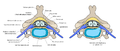 Disc herniation
 -
 Disc herniation
 -
 Disc herniation
 -
 Disc herniation
 -
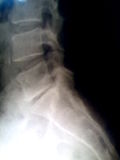 Disc herniation
 -
 Disc herniation
 -
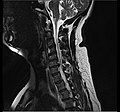 Disc herniation
 -
 Disc herniation


See also[edit]
References[edit]
<references />


