Transepidermal water loss: Difference between revisions
CSV import Tags: mobile edit mobile web edit |
No edit summary |
||
| Line 20: | Line 20: | ||
{{medicine-stub}} | {{medicine-stub}} | ||
__NOINDEX__ | __NOINDEX__ | ||
<gallery> | <gallery> | ||
File:Tewameter_Principle.png|Tewameter Principle | File:Tewameter_Principle.png|Tewameter Principle | ||
</gallery> | </gallery> | ||
Latest revision as of 01:08, 17 March 2025
Transepidermal Water Loss (TEWL) is a critical parameter in the study of skin physiology, indicating the amount of water that passes from inside the body through the epidermis to the external environment. TEWL is an essential factor in understanding the barrier function of the skin, which is vital for maintaining skin hydration, elasticity, and overall health. This process is not only crucial for the field of dermatology but also has significant implications in cosmetology and skin care product development.
Overview[edit]
The epidermis, the outermost layer of the skin, serves as the primary barrier against environmental stressors, including pathogens, chemicals, and physical injuries. One of its key functions is to regulate water content, both retaining moisture within the body and preventing excessive water loss. TEWL is a measure of the efficacy of the skin's barrier function, with higher rates of TEWL indicating a compromised barrier and, consequently, drier and more vulnerable skin.
Measurement of TEWL[edit]
TEWL is measured using specialized instruments that analyze the water gradient and evaporation rate on the skin's surface. These devices, often referred to as TEWL meters, provide valuable data for researchers and clinicians in assessing skin barrier health. The measurement of TEWL is crucial in diagnosing and managing various skin conditions, including eczema, psoriasis, and contact dermatitis, where the skin barrier is often compromised.
Factors Affecting TEWL[edit]
Several factors can influence TEWL, including environmental conditions (such as humidity and temperature), age, skin diseases, and the use of skin care products. For instance, low humidity and cold temperatures can increase TEWL, leading to dry and cracked skin. Conversely, optimal humidity and temperature can help maintain a healthy skin barrier and minimize water loss.
Clinical and Cosmetic Implications[edit]
Understanding and managing TEWL is vital in both clinical and cosmetic dermatology. In clinical settings, measuring TEWL can help diagnose skin barrier disorders and evaluate the effectiveness of treatments. In the cosmetic industry, reducing TEWL is a primary goal for many skin care products, aiming to enhance skin hydration and appearance. Ingredients such as humectants, emollients, and occlusives are commonly used in formulations to reduce TEWL and improve skin health.
Conclusion[edit]
Transepidermal water loss is a fundamental concept in understanding skin health and function. By measuring and managing TEWL, individuals can significantly impact their skin's appearance, health, and overall well-being. As research in this area continues to evolve, new strategies and products are likely to emerge, further enhancing our ability to maintain healthy and resilient skin.

-
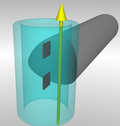 Tewameter Principle

