Leuconostoc mesenteroides: Difference between revisions
CSV import |
CSV import |
||
| Line 33: | Line 33: | ||
{{food-stub}} | {{food-stub}} | ||
{{No image}} | {{No image}} | ||
== Leuconostoc mesenteroides gallery == | |||
<gallery> | |||
File:Leuconostoc mesenteroides in wet mount.jpg|Leuconostoc mesenteroides in wet mount | |||
</gallery> | |||
Revision as of 05:45, 3 March 2025
Leuconostoc mesenteroides is a species of Gram-positive bacteria that belongs to the genus Leuconostoc. It is a facultative anaerobe, meaning it can grow in both the presence and absence of oxygen. This bacterium is commonly found in various environments, including plant materials, dairy products, and the human gastrointestinal tract.
Characteristics
Leuconostoc mesenteroides is a non-motile, non-spore forming, and cocci-shaped bacterium. It is catalase-negative and oxidase-negative, and can ferment a variety of sugars to produce lactic acid, ethanol, and carbon dioxide. This bacterium is also capable of producing dextran, a type of polysaccharide, from sucrose.
Role in Food Fermentation
Leuconostoc mesenteroides plays a significant role in the fermentation of various food products. It is involved in the production of sauerkraut, kimchi, sourdough, and certain types of cheese and wine. The bacterium contributes to the flavor, texture, and shelf-life of these fermented foods.
Health Implications
While Leuconostoc mesenteroides is generally considered safe and even beneficial in food fermentation, it can occasionally cause infections in humans, particularly in those with compromised immune systems. However, such cases are rare and the bacterium is not typically pathogenic.
Research and Biotechnological Applications
Due to its ability to produce dextran and other polysaccharides, Leuconostoc mesenteroides has been the subject of various research studies and has potential applications in biotechnology. For instance, dextrans produced by this bacterium are used in the food industry as thickeners and stabilizers, and in the medical field as blood plasma extenders.
See Also
References
<references />


Leuconostoc mesenteroides gallery
-
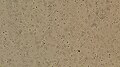 Leuconostoc mesenteroides in wet mount

