Rosé: Difference between revisions
CSV import |
CSV import |
||
| Line 20: | Line 20: | ||
[[Category:Rosé]] | [[Category:Rosé]] | ||
{{wine-stub}} | {{wine-stub}} | ||
<gallery> | |||
File:Schramsberg_Vineyards,_July_2019-7605.jpg|Schramsberg Vineyards | |||
File:Ciel_du_Cheval_Red_Mountain_rose.jpg|Ciel du Cheval Red Mountain rosé | |||
File:John_Reinhard_Weguelin_–_Pressing_Grapes_(1880).jpg|Pressing Grapes (1880) by John Reinhard Weguelin | |||
File:Zinfandel_grapes.jpg|Zinfandel grapes | |||
File:Pinot_noir_juice_from_press_pan.jpg|Pinot noir juice from press pan | |||
File:Flickr_-_cyclonebill_-_Rosé.jpg|Rosé | |||
File:Mourvedre_and_rose_juice_samples.JPG|Mourvèdre and rosé juice samples | |||
File:Several_Rhone_and_Provence_roses.jpg|Several Rhône and Provence rosés | |||
File:Nocking_Point_Wines_Gametime_Rosé.jpg|Nocking Point Wines Gametime Rosé | |||
File:Sancerre_rose_Wine.jpg|Sancerre rosé Wine | |||
File:Wine_grape_diagram_en.svg|Wine grape diagram | |||
File:Bandol_rose.jpg|Bandol rosé | |||
</gallery> | |||
Latest revision as of 21:09, 23 February 2025
Rosé is a type of wine that incorporates some of the color from the grape skins, but not enough to qualify it as a red wine. It may be the oldest known type of wine, as it is the most straightforward to make with the skin contact method. The pink color can range from a pale "onion-skin" orange to a vivid near-purple, depending on the varietals used and winemaking techniques. There are three major ways to produce rosé wine: skin contact, saignée, and blending. Rosé wines can be made still, semi-sparkling, or sparkling, with a wide range of sweetness levels from highly dry Provençal rosé to sweet White Zinfandels and blushes. Rosé wines are made from a wide variety of grapes all over the world.
History[edit]
The history of rosé is likely as old as that of wine itself. The primary method of making red wine involves the use of red grape varietals where the skin of the grape is allowed to have extended contact with the juice of the grape. However, rosé is believed to be the first type of wine produced, given the simple production methods and the wide availability of light-colored grapes.
Production[edit]
There are three main methods to produce rosé wine: skin contact, saignée, and blending. The skin contact method is when the black-skinned grapes are crushed and the skins are allowed to remain in contact with the juice for a short period, typically one to three days. The saignée method, from the French word for "bleed", involves bleeding off a portion of red wine juice after it's been in contact with the skins and seeds. The blending method is uncommon and is discouraged in most wine growing regions, especially in France, where it is forbidden by law, except for Champagne.
Styles[edit]
Rosé wines can be produced in a variety of styles, from dry to sweet and from still to sparkling. The flavor profile can also vary widely depending on the grape varietal used, the winemaking technique, and the level of ripeness at which the grapes are harvested. Some common flavors noted in rosé include red fruit, flowers, citrus, and melon, with a crunchy green flavor like celery or rhubarb.
Regions[edit]
Rosé is produced in virtually all wine-growing regions of the world. However, it is particularly well known in the Provence region of France, which is considered the birthplace of modern rosé. Other notable regions for rosé production include the Loire Valley and Champagne in France, the Veneto region in Italy, and parts of California and Washington in the United States.

-
 Schramsberg Vineyards
 -
 Ciel du Cheval Red Mountain rosé
 -
 Pressing Grapes (1880) by John Reinhard Weguelin
 -
 Zinfandel grapes
 -
 Pinot noir juice from press pan
 -
 Rosé
Rosé -
 Mourvèdre and rosé juice samples
 -
 Several Rhône and Provence rosés
 -
 Nocking Point Wines Gametime Rosé
 -
 Sancerre rosé Wine
 -
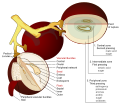 Wine grape diagram
 -
 Bandol rosé


.jpg)


