Sarcopenic obesity: Difference between revisions
CSV import |
CSV import |
||
| Line 28: | Line 28: | ||
{{ disease-stub}} | {{ disease-stub}} | ||
<gallery> | |||
File:1025_Atrophy.png|Muscle Atrophy | |||
File:Obesity-waist_circumference.svg|Obesity Waist Circumference | |||
</gallery> | |||
Latest revision as of 21:34, 20 February 2025
Sarcopenic obesity is a medical condition characterized by the coexistence of sarcopenia, which is the loss of muscle mass and strength, and obesity, defined as an excessive accumulation of body fat. This condition poses a unique health challenge as it combines the detrimental effects of both sarcopenia and obesity, leading to a higher risk of metabolic diseases, physical disability, and mortality.
Etiology[edit]
The etiology of sarcopenic obesity is multifactorial, involving complex interactions between genetics, aging, lifestyle factors such as diet and physical activity, and hormonal changes. Aging is a primary risk factor due to the natural decline in muscle mass and function, coupled with an increase in fat mass. Sedentary lifestyles and poor nutritional habits further exacerbate the development of this condition.
Pathophysiology[edit]
The pathophysiology of sarcopenic obesity involves an imbalance between muscle protein synthesis and degradation, leading to muscle loss, alongside an increase in fat mass, particularly visceral fat. This imbalance is often exacerbated by chronic low-grade inflammation, insulin resistance, and changes in hormones associated with aging, such as decreased levels of growth hormone and sex steroids.
Clinical Manifestations[edit]
Individuals with sarcopenic obesity may present with physical frailty, decreased muscle strength, and reduced physical performance. Despite having a normal or high body mass index (BMI), these individuals have a higher fat-to-muscle ratio, which can lead to difficulties in mobility, increased risk of falls, and impaired ability to perform daily activities.
Diagnosis[edit]
Diagnosis of sarcopenic obesity involves the assessment of body composition, muscle strength, and physical performance. Tools such as dual-energy X-ray absorptiometry (DXA) scans are used to measure body composition, while handgrip strength and gait speed tests can help evaluate muscle function. There is no universal consensus on the diagnostic criteria, making the diagnosis challenging.
Management[edit]
Management of sarcopenic obesity focuses on lifestyle interventions, including dietary modifications and physical exercise. Resistance training is particularly beneficial for improving muscle mass and strength, while aerobic exercise can help reduce fat mass. Nutritional support, especially adequate protein intake and possibly the supplementation of specific nutrients like vitamin D, is also crucial.
Prognosis[edit]
The prognosis of sarcopenic obesity depends on the severity of the condition and the effectiveness of the management strategies implemented. Early intervention with lifestyle changes can significantly improve outcomes, reducing the risk of metabolic diseases, improving physical function, and enhancing quality of life.
Prevention[edit]
Prevention strategies for sarcopenic obesity include maintaining an active lifestyle with regular physical activity, ensuring a balanced diet rich in protein and essential nutrients, and managing weight throughout the lifespan to prevent excessive fat accumulation.

-
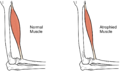 Muscle Atrophy
 -
 Obesity Waist Circumference


