Opiate: Difference between revisions
CSV import |
CSV import |
||
| Line 41: | Line 41: | ||
[[Category:Analgesics]] | [[Category:Analgesics]] | ||
[[Category:Substance abuse]] | [[Category:Substance abuse]] | ||
== Opiate == | |||
<gallery> | |||
File:Harvesting opium.jpg|Harvesting opium | |||
File:Opiates v opioids.png|Opiates vs opioids | |||
File:Codein - Codeine.svg|Codeine | |||
File:Morphin - Morphine.svg|Morphine | |||
File:MorphineAdvertisement1900 - no watermark.JPG|Morphine advertisement 1900 | |||
File:Opiate agonist physio.png|Opiate agonist physiology | |||
</gallery> | |||
Revision as of 01:42, 20 February 2025
An overview of opiates, their uses, effects, and related topics
Overview
Opiates are a class of drugs that are derived from the opium poppy plant, Papaver somniferum. These substances are primarily used for their analgesic properties, meaning they are effective in relieving pain. Opiates work by binding to specific receptors in the brain and spinal cord, known as opioid receptors, which are part of the body's natural pain control system.
Types of Opiates
Opiates can be classified into natural, semi-synthetic, and synthetic categories:
- Natural opiates: These include morphine and codeine, which are directly extracted from the opium poppy.
- Semi-synthetic opiates: These are chemically modified versions of natural opiates, such as heroin, oxycodone, and hydrocodone.
- Synthetic opiates: These are entirely man-made and include drugs like fentanyl and methadone.
Medical Uses
Opiates are primarily used in medicine for their potent pain-relieving properties. They are often prescribed for acute pain, such as that following surgery, or for chronic pain conditions. In addition to pain relief, opiates can also be used to suppress coughs and treat diarrhea.
Mechanism of Action
Opiates exert their effects by binding to opioid receptors in the central nervous system. There are three main types of opioid receptors: mu, delta, and kappa. The activation of these receptors leads to a decrease in the perception of pain, a sense of euphoria, and sedation.
Side Effects
While opiates are effective for pain management, they come with a range of potential side effects, including:
- Respiratory depression
- Constipation
- Nausea and vomiting
- Drowsiness
- Addiction and dependence
Addiction and Abuse
Opiates have a high potential for abuse and addiction. The euphoric effects they produce can lead to psychological dependence, while physical dependence can result in withdrawal symptoms when the drug is not taken. This has led to a significant public health issue known as the opioid epidemic.
Treatment of Opiate Addiction
Treatment for opiate addiction often involves a combination of medication and therapy. Medications such as methadone, buprenorphine, and naltrexone are used to manage withdrawal symptoms and reduce cravings. Behavioral therapies, including cognitive-behavioral therapy and support groups, are also important components of treatment.
Related Pages
Opiate
-
 Harvesting opium
 -
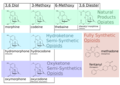 Opiates vs opioids
 -
 Codeine
 -
 Morphine
 -
Morphine advertisement 1900
-
Opiate agonist physiology


