Cutaneous Streptococcus iniae infection: Difference between revisions
CSV import |
CSV import |
||
| Line 33: | Line 33: | ||
{{Infectious-disease-stub}} | {{Infectious-disease-stub}} | ||
{{Medicine-stub}} | {{Medicine-stub}} | ||
<gallery> | |||
File:Streptococcus iniae.png|Cutaneous Streptococcus iniae infection | |||
</gallery> | |||
Revision as of 01:28, 20 February 2025
Cutaneous Streptococcus iniae infection is a type of bacterial infection that affects the skin. It is caused by the bacterium Streptococcus iniae, a species of Gram-positive bacteria that is commonly found in fish and can cause severe infections in humans.
Etiology
The primary cause of Cutaneous Streptococcus iniae infection is the bacterium Streptococcus iniae. This bacterium is a pathogen that is commonly found in fish, particularly in tilapia, trout, and salmon. Humans can contract the infection through exposure to infected fish or contaminated water.
Symptoms
The symptoms of Cutaneous Streptococcus iniae infection can vary, but often include skin rash, fever, and pain. In severe cases, the infection can lead to cellulitis, erysipelas, and septicemia.
Diagnosis
Diagnosis of Cutaneous Streptococcus iniae infection typically involves a physical examination and laboratory testing. The bacterium can be identified through blood culture or tissue biopsy.
Treatment
Treatment for Cutaneous Streptococcus iniae infection typically involves antibiotics. The specific type of antibiotic used may depend on the severity of the infection and the patient's overall health.
Prevention
Prevention of Cutaneous Streptococcus iniae infection primarily involves avoiding exposure to infected fish and contaminated water. Proper hand hygiene and use of protective equipment can also help prevent the spread of the infection.
See also

This article is a infectious disease stub. You can help WikiMD by expanding it!

-
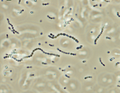 Cutaneous Streptococcus iniae infection

