Médecins Sans Frontières: Difference between revisions
CSV import |
CSV import |
||
| Line 18: | Line 18: | ||
[[Category:Humanitarian aid organizations]] | [[Category:Humanitarian aid organizations]] | ||
{{medicine-stub}} | {{medicine-stub}} | ||
<gallery> | |||
File:Msf logo.svg|Médecins Sans Frontières | |||
File:This is Doctors Without Borders-Médecins Sans Frontières (MSF).webm|Médecins Sans Frontières | |||
File:Starved girl.jpg|Médecins Sans Frontières | |||
File:Mihanda camp.jpg|Médecins Sans Frontières | |||
File:Médecins Sans Frontières - Missions - 2015.svg|Médecins Sans Frontières | |||
File:MSF front door in Chad.jpg|Médecins Sans Frontières | |||
File:Preparing to enter Ebola treatment unit (3).jpg|Médecins Sans Frontières | |||
File:MSF logistician showing plans.jpg|Médecins Sans Frontières | |||
File:Preparing to enter Ebola treatment unit (2).jpg|Médecins Sans Frontières | |||
File:An MSF health worker examines a malnourished child.jpg|Médecins Sans Frontières | |||
File:2015JamesOrbinski.jpg|Médecins Sans Frontières | |||
</gallery> | |||
Latest revision as of 01:12, 20 February 2025
Médecins Sans Frontières (MSF), also known in English as Doctors Without Borders, is an international humanitarian non-governmental organization (NGO) known for its projects in war-torn regions and developing countries affected by endemic diseases. Founded in 1971 by a group of French doctors and journalists in the wake of the Biafra secession, MSF aims to provide medical care and medical aid to those most in need, regardless of race, religion, creed, or political affiliation.
MSF's work involves a wide range of health care services, including primary health care, vaccination campaigns, responding to disease outbreaks, and providing mental health support. The organization is also known for its surgical interventions in conflict zones, where access to medical care is often severely limited.
The organization operates based on the principles of neutrality, impartiality, and medical ethics. MSF's charter asserts its commitment to providing high-quality medical care to all patients and to speak out against the causes of their suffering when necessary. This commitment to advocacy has led MSF to criticize governments, international organizations, and other entities when their actions or policies are deemed harmful to the health and well-being of vulnerable populations.
MSF is funded largely by private donors, with its financial independence enabling it to respond quickly to emergencies without the need for governmental approval. This agility is critical in its ability to provide timely medical interventions during crises.
Throughout its history, MSF has been awarded numerous accolades for its humanitarian work, including the Nobel Peace Prize in 1999. The prize recognized MSF's ongoing commitment to providing medical aid in situations of conflict, disasters, or neglect, and for raising international awareness of potential humanitarian disasters.
MSF is organized into operational centers and national sections, coordinating their efforts globally to ensure efficient response to emergencies. The organization's international office is located in Geneva, Switzerland, which helps coordinate activities across the various MSF sections around the world.
Despite facing challenges such as attacks on healthcare facilities, kidnapping of staff, and the complexities of operating in politically sensitive environments, MSF continues to advocate for access to essential medicines and the right to medical care for all individuals. Its campaigns against neglected diseases and for the availability of generic drugs have also been significant in the fight for equitable access to healthcare.

-
Médecins Sans Frontières
-
 Médecins Sans Frontières
 -
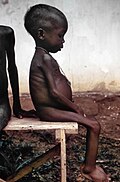 Médecins Sans Frontières
 -
 Médecins Sans Frontières
 -
 Médecins Sans Frontières
 -
 Médecins Sans Frontières
 -
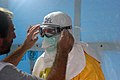 Médecins Sans Frontières
 -
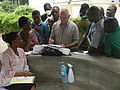 Médecins Sans Frontières
 -
 Médecins Sans Frontières
 -
 Médecins Sans Frontières
 -
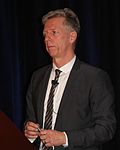 Médecins Sans Frontières


.jpg)

.jpg)


