Diphenylpyraline: Difference between revisions
CSV import |
CSV import |
||
| Line 29: | Line 29: | ||
File:Diphenylpyraline.svg|Diphenylpyraline structure | File:Diphenylpyraline.svg|Diphenylpyraline structure | ||
File:Diphenylpyraline-synthesis.svg|Diphenylpyraline synthesis | File:Diphenylpyraline-synthesis.svg|Diphenylpyraline synthesis | ||
</gallery> | |||
<gallery> | |||
File:Diphenylpyraline.svg|Diphenylpyraline | |||
</gallery> | </gallery> | ||
Revision as of 01:06, 20 February 2025
Diphenylpyraline (also known as DPP or Hispril) is a first-generation antihistamine with anticholinergic properties. It is used primarily to treat allergic reactions and common cold symptoms.
Pharmacology
Diphenylpyraline is a H1 receptor antagonist, which means it works by blocking the action of histamine, a substance in the body that causes allergic symptoms. It is a member of the ethanolamine class of antihistaminergic agents.
Medical uses
Diphenylpyraline is used to relieve red, irritated, itchy, watery eyes; sneezing; and runny nose caused by hay fever, allergies, or the common cold. It is also used to relieve the symptoms of urticaria (hives).
Side effects
Like other first-generation antihistamines, diphenylpyraline can cause a variety of side effects, including drowsiness, dizziness, dry mouth/nose/throat, headache, upset stomach, constipation, or trouble sleeping.
Contraindications
Diphenylpyraline should not be used in patients with hypersensitivity to diphenylpyraline or other antihistamines of similar chemical structure. It is also contraindicated in patients with narrow-angle glaucoma, peptic ulcer, prostatic hypertrophy, and bladder neck obstruction.
See also
References
<references />

Diphenylpyraline
-
 Diphenylpyraline structure
 -
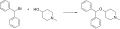 Diphenylpyraline synthesis


-
Diphenylpyraline
