Hepatitis: Difference between revisions
CSV import |
CSV import |
||
| Line 79: | Line 79: | ||
[[Category:Infectious diseases]] | [[Category:Infectious diseases]] | ||
[[Category:Liver disorders]] | [[Category:Liver disorders]] | ||
<gallery> | |||
File:Alcoholic hepatitis.jpg|Hepatitis | |||
</gallery> | |||
Revision as of 00:45, 20 February 2025
An overview of hepatitis, its types, causes, symptoms, diagnosis, and treatment
Hepatitis
Hepatitis is an inflammation of the liver tissue. It can be self-limiting or can progress to fibrosis (scarring), cirrhosis, or liver cancer. Hepatitis viruses are the most common cause of hepatitis in the world, but other infections, toxic substances (e.g., alcohol, certain drugs), and autoimmune diseases can also cause hepatitis.
Types of Hepatitis
Hepatitis can be classified into several types based on its cause:
Viral Hepatitis
Viral hepatitis is caused by infection with one of the five known hepatitis viruses: A, B, C, D, and E.
- Hepatitis A: This type is usually spread through ingestion of contaminated food or water. It is often acute and self-limiting.
- Hepatitis B: Transmitted through exposure to infectious body fluids, such as blood, semen, and vaginal secretions. It can be acute or chronic.
- Hepatitis C: Primarily spread through blood-to-blood contact. It often leads to chronic infection.
- Hepatitis D: Occurs only in those infected with hepatitis B, as it requires the hepatitis B virus to replicate.
- Hepatitis E: Typically spread through consumption of contaminated water. It is usually acute.
Non-Viral Hepatitis
Non-viral hepatitis can be caused by:
- Alcoholic Hepatitis: Caused by excessive alcohol consumption.
- Autoimmune Hepatitis: A chronic condition where the body's immune system attacks liver cells.
- Drug-Induced Hepatitis: Caused by reactions to medications or toxic substances.
Causes
The causes of hepatitis vary depending on the type:
- Viral infections (hepatitis A, B, C, D, E)
- Alcohol abuse
- Autoimmune disorders
- Exposure to certain medications and toxins
Symptoms
Symptoms of hepatitis can include:
- Jaundice (yellowing of the skin and eyes)
- Fatigue
- Abdominal pain
- Loss of appetite
- Nausea and vomiting
- Dark urine
- Pale stool
Diagnosis
Diagnosis of hepatitis involves:
- Blood tests to detect the presence of hepatitis viruses or antibodies
- Liver function tests to assess liver damage
- Ultrasound or CT scan to visualize the liver
- Liver biopsy to determine the extent of liver damage
Treatment
Treatment depends on the type of hepatitis:
- Hepatitis A and E: Usually resolve on their own; supportive care is provided.
- Hepatitis B and C: Antiviral medications may be used to treat chronic infections.
- Autoimmune Hepatitis: Treated with corticosteroids and other immunosuppressive drugs.
- Alcoholic Hepatitis: Abstinence from alcohol and nutritional support are crucial.
Prevention
Preventive measures include:
- Vaccination for hepatitis A and B
- Safe practices to avoid exposure to infected blood and body fluids
- Proper sanitation and hygiene to prevent hepatitis A and E
Images
Related pages
-
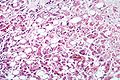 Hepatitis


