Inclusive recreation: Difference between revisions
CSV import |
CSV import |
||
| Line 30: | Line 30: | ||
{{Inclusion}} | {{Inclusion}} | ||
{{Accessibility-stub}} | {{Accessibility-stub}} | ||
<gallery> | |||
File:Indi_knit_in_action.jpg|Inclusive recreation | |||
File:Rock_climbing_prosthetic_leg.jpg|Rock climbing with a prosthetic leg | |||
File:Power_hockey_using_wheelchairs.jpg|Power hockey using wheelchairs | |||
File:Steampunk_wheelchair.jpg|Steampunk wheelchair | |||
File:Beach_wheelchair_Netherlands.jpg|Beach wheelchair in the Netherlands | |||
File:Disabled_glider_pilots_Scotland.jpg|Disabled glider pilots in Scotland | |||
File:Malibu_California_surf_adaptive_recreation.jpg|Adaptive surfing in Malibu, California | |||
File:Accessible_playground_equipment.jpg|Accessible playground equipment | |||
File:Wheelchair_floating_Playmobil_Nuremberg.jpg|Wheelchair floating Playmobil in Nuremberg | |||
</gallery> | |||
Latest revision as of 12:06, 18 February 2025
Inclusive Recreation refers to the provision and facilitation of leisure and recreational activities that are accessible to all individuals, regardless of their physical, sensory, intellectual, or mental health abilities. It embodies the principles of equality, respect, and opportunity, ensuring that everyone has the chance to participate in recreational activities in a way that is meaningful and enjoyable to them. Inclusive recreation emphasizes the removal of barriers to participation, whether they are physical, social, or attitudinal, and promotes the integration and inclusion of all people in recreational opportunities.
Definition and Importance[edit]
Inclusive recreation is defined as the practice of making all recreational activities accessible and enjoyable for people of all abilities. This concept is rooted in the broader movement towards inclusion and accessibility, which advocates for the full and equal participation of people with disabilities in all aspects of society. Inclusive recreation is important because it recognizes recreation and leisure as fundamental human rights, as outlined in the United Nations Convention on the Rights of Persons with Disabilities. It contributes to the physical, emotional, and social well-being of individuals, fostering a sense of belonging, improving quality of life, and reducing social isolation.
Principles of Inclusive Recreation[edit]
The principles of inclusive recreation focus on accessibility, participation, and integration. These principles ensure that:
- Accessibility: Recreational facilities, programs, and services are designed or adapted to be used by all people, including those with disabilities.
- Participation: Individuals have the opportunity to engage in recreational activities that are meaningful to them, with the necessary supports and adaptations in place.
- Integration: Activities are conducted in inclusive settings where individuals of all abilities participate together, promoting social inclusion and diversity.
Challenges and Solutions[edit]
Despite the growing recognition of the importance of inclusive recreation, there are still challenges to its full implementation. These include physical barriers, lack of awareness and training among recreation providers, and limited funding for inclusive programs. Solutions to these challenges involve:
- Infrastructure Adaptation: Modifying existing facilities and equipment to meet accessibility standards.
- Education and Training: Providing training for staff and volunteers on inclusion practices and disability awareness.
- Policy and Funding: Developing policies that support inclusion and allocating resources for inclusive programs and services.
Examples of Inclusive Recreation[edit]
Inclusive recreation can take many forms, including adaptive sports, inclusive playgrounds, and accessible cultural events. Examples include:
- Adaptive Sports: Sports modified to accommodate players with disabilities, such as wheelchair basketball and sitting volleyball.
- Inclusive Playgrounds: Playgrounds designed with accessible equipment and surfaces, allowing children of all abilities to play together.
- Accessible Cultural Events: Cultural events, such as concerts or art exhibits, that provide accommodations like sign language interpretation or audio descriptions for attendees with sensory impairments.
Conclusion[edit]
Inclusive recreation is a vital component of a society that values diversity, equity, and inclusion. By ensuring that recreational opportunities are accessible and enjoyable for all, inclusive recreation promotes the health, well-being, and social integration of individuals with disabilities. It challenges societal barriers and attitudes that exclude people from participating fully in recreational activities and fosters a more inclusive community for everyone.
This article is a This accessibility-related stub. You can help WikiMD by expanding it!
-
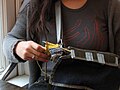 Inclusive recreation
 -
 Rock climbing with a prosthetic leg
 -
 Power hockey using wheelchairs
 -
 Steampunk wheelchair
 -
 Beach wheelchair in the Netherlands
 -
 Disabled glider pilots in Scotland
 -
 Adaptive surfing in Malibu, California
 -
 Accessible playground equipment
 -
Wheelchair floating Playmobil in Nuremberg


