Equine nutrition: Difference between revisions
CSV import Tags: mobile edit mobile web edit |
CSV import |
||
| Line 38: | Line 38: | ||
{{Nutrition-stub}} | {{Nutrition-stub}} | ||
== Equine_nutrition == | |||
<gallery> | |||
File:BayMare.jpg|Bay mare grazing | |||
File:Abreuvoir_3.jpg|Water trough for horses | |||
File:HorseSupplement.jpg|Horse supplements | |||
File:HorsesAndHay.jpg|Horses eating hay | |||
File:GrassHay1.jpg|Grass hay | |||
File:Haverkorrels_Avena_sativa.jpg|Oat grains | |||
File:GrainMix.jpg|Grain mix for horses | |||
File:PelletRation.jpg|Pellet ration | |||
File:Gracie-rhs2005.jpg|Horse in a pasture | |||
File:Adopted_Burro.jpg|Adopted burro | |||
File:Grass_hay_by_David_Shankbone.jpg|Grass hay | |||
</gallery> | |||
Latest revision as of 11:23, 18 February 2025
Equine Nutrition is the aspect of veterinary science that deals with the diet of horses, including the types of feed, the nutritional content required for different types of horses (e.g., age, weight, activity level), and the health implications of various diets. Proper nutrition is critical for the maintenance of good health, optimal growth, and performance in horses.
Overview[edit]
Equine nutrition encompasses the study and practice of feeding horses, ponies, mules, and donkeys. The dietary needs of these animals vary significantly based on their age, breed, weight, activity level, and health status. Essential nutrients required by horses include carbohydrates, proteins, fats, vitamins, minerals, and water. The balance of these nutrients is crucial for the prevention of diseases and the promotion of a healthy life.
Dietary Components[edit]
Carbohydrates[edit]
Carbohydrates are a primary energy source for horses. They are found in forages like hay and grasses, as well as in grains. The digestion of carbohydrates occurs in the small intestine and the hindgut.
Proteins[edit]
Proteins are essential for growth, repair, and maintenance of body tissues. Sources of protein for horses include legumes, soybeans, and alfalfa. The quality of protein is determined by its amino acid composition.
Fats[edit]
Fats provide a concentrated source of energy and are important for the absorption of fat-soluble vitamins. Sources of fats in equine diets include vegetable oils and rice bran.
Vitamins and Minerals[edit]
Vitamins and minerals are crucial for various metabolic processes. Horses require a balance of both macro and trace minerals, such as calcium, phosphorus, and selenium, as well as vitamins like Vitamin A, D, and E.
Water[edit]
Water is the most critical nutrient. Horses require access to clean, fresh water at all times to maintain hydration and support digestive and other physiological functions.
Feeding Practices[edit]
Feeding practices must be tailored to the individual needs of the horse, considering factors such as age, activity level, and health status. Common practices include:
- Pasture and Forage: The foundation of most equine diets, providing necessary fiber.
- Concentrates: Grains and commercial feeds used to supplement forage, especially for horses with higher energy requirements.
- Supplements: Used to provide additional vitamins and minerals that may not be sufficiently present in the primary diet.
Health Implications[edit]
Improper nutrition can lead to a variety of health issues in horses, including obesity, laminitis, and vitamin or mineral deficiencies. Conversely, a well-balanced diet can help manage conditions such as insulin resistance and equine metabolic syndrome.
Conclusion[edit]
Equine nutrition is a complex field that requires a deep understanding of the dietary needs of horses. Proper nutrition is essential for the health, performance, and longevity of these animals. Owners and caretakers must work closely with veterinarians and equine nutritionists to develop and maintain appropriate feeding programs.

Equine_nutrition[edit]
-
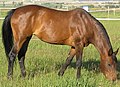 Bay mare grazing
 -
 Water trough for horses
 -
 Horse supplements
 -
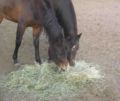 Horses eating hay
 -
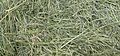 Grass hay
 -
 Oat grains
 -
 Grain mix for horses
 -
 Pellet ration
 -
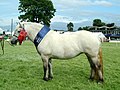 Horse in a pasture
 -
 Adopted burro
 -
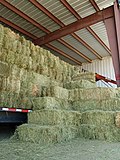 Grass hay


