Northeast India: Difference between revisions
CSV import |
CSV import Tags: mobile edit mobile web edit |
||
| Line 28: | Line 28: | ||
{{India-stub}} | {{India-stub}} | ||
{{Asia-stub}} | {{Asia-stub}} | ||
<gallery> | |||
File:Tawang_Gate.jpg|Northeast_India | |||
File:Majuli_Island.jpg|Northeast_India | |||
File:Loktak_Lake_Boat_people_Moirang_Manipur_India.jpg|Northeast_India | |||
File:Living_root_bridges,_Nongriat_village,_Meghalaya2.jpg|Northeast_India | |||
File:Embossed_Figures_Kawtchhuah_Ropui_Vangchhia_Mapuia_Hnamte_(1).JPG|Northeast_India | |||
File:Mokokchung.jpg|Northeast_India | |||
File:Joppen1907BritishBengalBritishBurmaA.jpg|Northeast_India | |||
File:1907-east-bengal-assam3.jpg|Northeast_India | |||
File:SevenSisterStates.svg|Northeast_India | |||
File:Ganges.A2001296.0425.1km.jpg|Northeast_India | |||
File:Gangtok_ropeway.jpg|Northeast_India | |||
File:View_of_the_ridgetop_city_of_Aizawl,_state_capital_of_Mizoram.jpg|Northeast_India | |||
</gallery> | |||
Revision as of 11:02, 18 February 2025
Northeast India refers to the easternmost region of India representing both a geographic and political administrative division of the country. It comprises eight states – Arunachal Pradesh, Assam, Manipur, Meghalaya, Mizoram, Nagaland, Sikkim, and Tripura. The region shares an international border of 5,182 kilometers with several neighboring countries including China, Myanmar, Bhutan, and Bangladesh, and covers an area of 262,230 square kilometers.
Geography
The Geography of Northeast India is diverse with 3,300 kilometers of mountain ranges and plains. The region is covered by the mighty Brahmaputra-Barak river systems and their tributaries. The region's geographical features also include several national parks, and it is a biodiversity hotspot.
History
The History of Northeast India dates back to the prehistoric period, with evidence of Paleolithic (stone age) human settlements discovered at several archaeological sites. The region has a rich history and has been mentioned in numerous ancient Indian texts.
Culture
The Culture of Northeast India is a blend of Indo-Aryan, Tibeto-Burman, and local cultures. The region is known for its unique folk traditions and music. Each state has its own distinct culture and traditions, including various types of folk dances and music.
Cuisine
The Cuisine of Northeast India is varied and includes a wide range of vegetarian and non-vegetarian dishes. The cuisine is influenced by the local produce available in the region. Rice is a staple food in all the states, and each state has its own unique dishes and cooking techniques.
Economy
The Economy of Northeast India is primarily agrarian, but also includes petroleum production, tea production, silk production, handicrafts, and industries. The region is also rich in mineral resources.
Demographics
The Demographics of Northeast India are diverse with over 220 ethnic groups and more than 220 languages spoken in the region. The region has a high literacy rate and a diverse religious composition.
See also
- Tourism in Northeast India
- Wildlife of Northeast India
- List of institutions of higher education in Northeast India
.svg)

-
 Northeast_India
 -
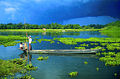 Northeast_India
 -
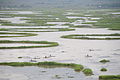 Northeast_India
 -
 Northeast_India
 -
 Northeast_India
 -
 Northeast_India
 -
 Northeast_India
 -
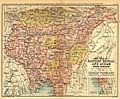 Northeast_India
 -
 Northeast_India
 -
 Northeast_India
 -
 Northeast_India
 -
 Northeast_India


.JPG)


