Cannelloni: Difference between revisions
CSV import Tags: mobile edit mobile web edit |
CSV import |
||
| Line 34: | Line 34: | ||
{{Cuisine-stub}} | {{Cuisine-stub}} | ||
<gallery> | |||
File:Pasta_2006_7.jpg|Cannelloni | |||
File:Baked_cannelloni,_Rauenthal.jpg|Baked cannelloni in Rauenthal | |||
File:Cannelloni_ready_to_eat_(504724484).jpg|Cannelloni ready to eat | |||
</gallery> | |||
Revision as of 02:06, 18 February 2025
Cannelloni (Italian: [kannelˈloːni], large reeds) are a cylindrical type of pasta generally served baked with a filling and covered by a sauce in Italian cuisine. Popular stuffings include spinach and ricotta or minced beef. The sauces typically used are tomato sauce, béchamel sauce, or a combination of both.
Origins and History
Cannelloni are thought to have originated in Italy during the early 20th century. The exact origins are unclear, but it is believed that the dish was created as a way to repurpose leftovers by wrapping them in pasta. Over time, cannelloni have become a staple in Italian cuisine, with various regions adopting their own variations of fillings and sauces.
Preparation
The preparation of cannelloni involves filling pre-made pasta tubes with a stuffing, which is then covered with sauce and baked. Homemade cannelloni can also be made by wrapping rectangular sheets of fresh pasta around the filling and then cooking them. The dish is typically baked until the pasta is cooked through and the sauce is bubbling and browned on top.
Ingredients
- Cannelloni pasta tubes or fresh pasta sheets
- Filling: Common fillings include ricotta cheese and spinach, minced beef, or a mixture of cheese and vegetables.
- Sauce: Tomato sauce, béchamel sauce, or a combination of both are traditionally used.
- Cheese: Parmesan or mozzarella cheese is often sprinkled on top before baking.
Method
1. Preheat the oven to a moderate temperature. 2. Prepare the filling of choice and set aside. 3. If using fresh pasta sheets, place a portion of the filling on each sheet and roll it up to form a cylinder. If using pre-made tubes, fill the tubes with the stuffing using a piping bag or a spoon. 4. Place a layer of sauce in the bottom of a baking dish and arrange the filled cannelloni in a single layer on top. 5. Cover the cannelloni with the remaining sauce and sprinkle with cheese. 6. Bake in the preheated oven until the pasta is cooked and the sauce is bubbling and golden brown.
Variations
While the traditional fillings and sauces are popular, many variations exist. Some recipes incorporate different meats, such as chicken or sausage, while others use a variety of vegetables. The sauce can also be varied, with some recipes calling for a pesto sauce or a creamy white sauce instead of the traditional tomato or béchamel sauces.
Serving
Cannelloni are typically served as a primo piatto (first course) in Italian dining, followed by a secondo piatto (main course) of meat or fish. However, due to their hearty nature, cannelloni can also serve as a standalone dish, especially when accompanied by a side salad or bread.
Nutritional Information
The nutritional content of cannelloni can vary widely depending on the fillings and sauces used. Generally, dishes containing cheese and meat will be higher in calories and fat, while those made with vegetables and lighter sauces may be lower in calories and more nutritious.

-
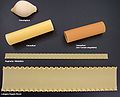 Cannelloni
 -
 Baked cannelloni in Rauenthal
 -
 Cannelloni ready to eat


.jpg)
