Pfeffernüsse: Difference between revisions
CSV import |
CSV import |
||
| Line 23: | Line 23: | ||
{{food-stub}} | {{food-stub}} | ||
<gallery> | |||
File:Au_pfeffernuesse_01.jpg|A traditional German Pfeffernüsse cookie. | |||
File:Peppernuts,_US_Variation.jpg|A variation of Pfeffernüsse popular in the United States. | |||
File:Paromomycin_ball-and-stick.png|A ball-and-stick model of the antibiotic Paromomycin. | |||
</gallery> | |||
Latest revision as of 00:41, 18 February 2025
Pfeffernüsse are small, spiced cookies, which are a traditional part of Christmas celebrations in Germany, Denmark, and the Netherlands. The name Pfeffernüsse translates from German as "pepper nuts," referring to their spicy flavor and small, round shape. These cookies are particularly known for their distinctive mix of spices, which typically includes cinnamon, cloves, ginger, and nutmeg, with some variations also including black pepper, giving them a unique, piquant taste.
History[edit]
The origins of Pfeffernüsse are somewhat murky, but they are believed to date back to the Middle Ages, a time when spices were highly prized in Europe. The cookies are thought to have been created by German bakers, who were among the first in Europe to use spices in their sweets. The inclusion of black pepper in the recipe is a testament to the luxury that spices once represented.
Ingredients and Preparation[edit]
A typical Pfeffernüsse recipe includes a blend of flour, butter or margarine, sugar, and a variety of spices. Molasses or honey is often used as a sweetener, contributing to the cookies' moist texture. Leavening agents such as baking soda or baking powder are used to give the cookies a slight lift. Some recipes also call for a glaze or icing, typically made from powdered sugar and lemon juice or water, which is drizzled over the cookies after they have cooled.
Cultural Significance[edit]
In Germany, Pfeffernüsse are closely associated with the Christmas season, often appearing in the advent calendars that count down the days until Christmas. They are also a common sight at Christmas markets across the country. In the Netherlands, the cookies are linked to Sinterklaas celebrations on December 5th and 6th. The tradition of baking and sharing Pfeffernüsse is a cherished part of holiday festivities, embodying the spirit of warmth, generosity, and joy that characterizes the season.
Variations[edit]
While the basic ingredients of Pfeffernüsse remain consistent, there are regional variations in the recipe. Some versions include more exotic spices like cardamom or anise, while others might incorporate almonds or citrus peel for added texture and flavor. The size and shape of the cookies can also vary, with some bakers preferring a flatter, crisper cookie, while others aim for a rounder, softer version.
See Also[edit]

-
 A traditional German Pfeffernüsse cookie.
 -
 A variation of Pfeffernüsse popular in the United States.
 -
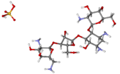 A ball-and-stick model of the antibiotic Paromomycin.


