ENU: Difference between revisions
CSV import |
CSV import Tags: mobile edit mobile web edit |
||
| Line 77: | Line 77: | ||
[[Category:Infectious Diseases]] | [[Category:Infectious Diseases]] | ||
[[Category:Inflammatory Diseases]] | [[Category:Inflammatory Diseases]] | ||
<gallery> | |||
File:ENU.svg|ENU | |||
File:Overviewfig1.jpg|Overview of ENU mutagenesis | |||
File:Types_of_screen.jpg|Types of genetic screens | |||
File:Non-complementationfig3.JPG|Non-complementation screen | |||
File:Del.screen.jpg|Deletion screen | |||
File:Balancer_screenfig5.JPG|Balancer chromosome screen | |||
File:Conventional_screenfig1.JPG|Conventional genetic screen | |||
File:Modifier_screenfig7.JPG|Modifier screen | |||
</gallery> | |||
Latest revision as of 11:22, 18 February 2025
Encephalitis
Encephalitis is an acute inflammation of the brain. It is a serious condition that can be life-threatening and requires prompt medical attention. The inflammation can be caused by a variety of factors, including viral infections, bacterial infections, autoimmune diseases, and other inflammatory processes.
Causes[edit]
The most common cause of encephalitis is viral infection. Several viruses are known to cause encephalitis, including:
- Herpes Simplex Virus (HSV): This is the most common cause of severe viral encephalitis in adults. HSV-1 is typically responsible for encephalitis, while HSV-2 is more commonly associated with meningitis.
- Arboviruses: These are viruses transmitted by arthropods, such as mosquitoes and ticks. Examples include the West Nile virus, Japanese encephalitis virus, and tick-borne encephalitis virus.
- Enteroviruses: These include poliovirus, coxsackievirus, and echovirus.
- Rabies Virus: This is a rare cause of encephalitis, usually following a bite from an infected animal.
Bacterial infections, such as those caused by Mycobacterium tuberculosis, can also lead to encephalitis, although this is less common. Autoimmune encephalitis occurs when the body's immune system mistakenly attacks healthy brain tissue.
Symptoms[edit]
The symptoms of encephalitis can vary widely depending on the cause and severity of the inflammation. Common symptoms include:
- Fever
- Headache
- Confusion
- Seizures
- Sensory changes
- Weakness or paralysis
- Loss of consciousness
In severe cases, encephalitis can lead to coma or death.
Diagnosis[edit]
Diagnosing encephalitis typically involves a combination of clinical evaluation, laboratory tests, and imaging studies. Key diagnostic tools include:
- Lumbar Puncture: This procedure involves collecting cerebrospinal fluid (CSF) to look for signs of infection or inflammation.
- Magnetic Resonance Imaging (MRI): MRI scans can reveal inflammation and other abnormalities in the brain.
- Electroencephalogram (EEG): This test measures electrical activity in the brain and can help identify seizures or other abnormalities.
- Blood Tests: These can help identify infectious agents or autoimmune markers.
Treatment[edit]
Treatment for encephalitis depends on the underlying cause. Antiviral medications, such as acyclovir, are used to treat viral encephalitis caused by herpes simplex virus. In cases of autoimmune encephalitis, immunosuppressive therapies, such as corticosteroids or intravenous immunoglobulin (IVIG), may be used.
Supportive care is crucial and may include:
- Hospitalization: Patients with severe symptoms often require intensive care.
- Fluid and Electrolyte Management: To prevent dehydration and maintain balance.
- Anticonvulsants: To control seizures.
Prognosis[edit]
The prognosis for encephalitis varies depending on the cause, severity, and timeliness of treatment. Some patients recover fully, while others may experience long-term neurological deficits. Early diagnosis and treatment are critical for improving outcomes.
Prevention[edit]
Preventive measures for encephalitis focus on reducing the risk of infection. These include:
- Vaccination: Vaccines are available for some viruses that cause encephalitis, such as Japanese encephalitis and rabies.
- Mosquito and Tick Control: Using insect repellent and wearing protective clothing can reduce the risk of arbovirus infections.
- Safe Practices: Avoiding contact with wild animals and practicing good hygiene can help prevent infections.
See Also[edit]
References[edit]
- "Encephalitis." Mayo Clinic, www.mayoclinic.org/diseases-conditions/encephalitis.
- "Viral Encephalitis." CDC, www.cdc.gov/encephalitis/viral.html.
External Links[edit]
- [World Health Organization - Encephalitis](https://www.who.int/news-room/fact-sheets/detail/encephalitis)
-
 ENU
ENU -
 Overview of ENU mutagenesis
 -
 Types of genetic screens
 -
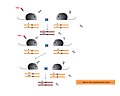 Non-complementation screen
 -
Deletion screen
-
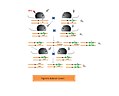 Balancer chromosome screen
 -
 Conventional genetic screen
 -
Modifier screen


