Foehn wind: Difference between revisions
CSV import |
CSV import |
||
| Line 21: | Line 21: | ||
{{weather-stub}} | {{weather-stub}} | ||
<gallery> | |||
File:Foehn_effect_mechanisms.png|Foehn wind | |||
File:Cumbre_Nueva_2014-05.JPG|Foehn wind | |||
File:Val_cenis_stausee.jpg|Foehn wind | |||
File:Foehn_rotor_cloud.jpg|Foehn wind | |||
File:Mittagskogel_Foehnwolken_15032008_01.jpg|Foehn wind | |||
File:Cascada_de_nubes_La_Palma_20080606.jpg|Foehn wind | |||
File:Pájara_Morro_Jable_-_Carretera_Punta_de_Jandía_-_cemetery_+_foehn_01_ies.jpg|Foehn wind | |||
File:La_Palma_-_El_Paso_-_Cumbre_Nueva+Foehn_(Mirador_Llano_del_Jable)_01_ies.jpg|Foehn wind | |||
File:Wolkenwasserfall_ms1408101.jpg|Foehn wind | |||
File:Storm_Oratia_30_Oct_2000.jpg|Foehn wind | |||
</gallery> | |||
Latest revision as of 11:43, 18 February 2025
Foehn wind is a type of dry, warm, downslope wind that occurs in the leeward side of a mountain range. It is a result of the adiabatic warming of air that has dropped most of its moisture on windward slopes. As such, Foehn winds are associated with significant changes in temperature and humidity, leading to rapid melting of snow and dramatic shifts in weather conditions across affected regions.
Characteristics[edit]
Foehn winds are characterized by their warmth and dryness. The process begins when moist air ascends a mountain range and cools adiabatically, leading to condensation and precipitation on the windward side. This process removes most of the moisture from the air. As the air descends on the leeward side, it undergoes adiabatic compression, warming at a rate of approximately 10°C per kilometer of descent. This warm, dry air can cause temperatures on the leeward side to be significantly higher than on the windward side, often leading to a noticeable drop in relative humidity.
Effects[edit]
The presence of Foehn winds can have a variety of effects on the environment and human activities. In agriculture, these winds can be beneficial for drying crops but may also exacerbate wildfires due to the low humidity and high temperatures. In winter, Foehn winds can lead to rapid snowmelt, increasing the risk of avalanches. The sudden change in weather conditions can also impact human health, with some individuals reporting Foehn sickness, characterized by headaches, lethargy, and irritability.
Global Occurrences[edit]
Foehn winds are known by different names in various parts of the world, reflecting their widespread occurrence. In the European Alps, they are known as the Foehn. In North America, similar winds occur along the eastern slopes of the Rocky Mountains, where they are called Chinook winds. In Argentina and Chile, the same phenomenon is referred to as the Zonda wind. Despite the different names, these winds share the common characteristics of being warm, dry, and capable of causing rapid changes in weather conditions.
Scientific Study[edit]
The study of Foehn winds falls within the broader field of meteorology. Scientists use a variety of tools, including weather stations, satellites, and computer models, to predict the occurrence of Foehn winds and understand their impact on local weather patterns, climate change, and ecosystems. Research into Foehn winds also has practical applications in disaster preparedness, agriculture, and urban planning, where understanding and anticipating these winds can help mitigate their effects.
Conclusion[edit]
Foehn winds are a fascinating natural phenomenon with significant impacts on the environment and human societies. By understanding the mechanisms that drive these winds and their potential effects, communities can better prepare for and mitigate the challenges they present.

-
 Foehn wind
 -
 Foehn wind
 -
 Foehn wind
 -
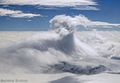 Foehn wind
 -
 Foehn wind
 -
 Foehn wind
 -
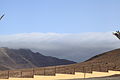 Foehn wind
 -
 Foehn wind
 -
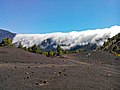 Foehn wind
 -
 Foehn wind


_01_ies.jpg)


